Hello Greenlight: A Sexual Health Service Platform Designed with and for Young People
Most young people in the U.S. don't learn they have a right to confidential, low-cost sexual healthcare until well after they've become sexually active. Providers are rarely trained to counsel young people, and care often defaults to narrow, judgment-heavy scripts—a gap that falls hardest on youth in under-resourced communities already facing other barriers to care.
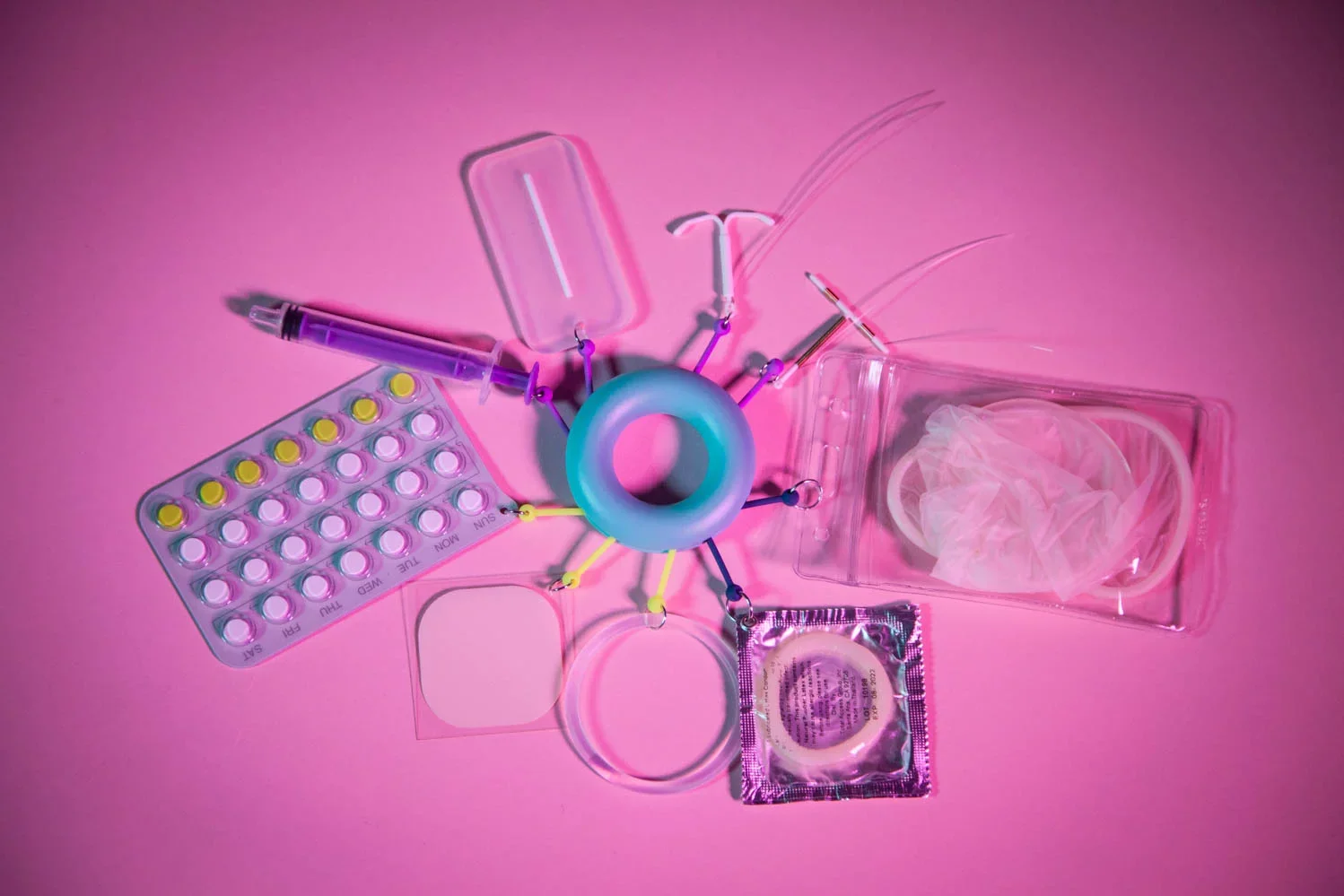
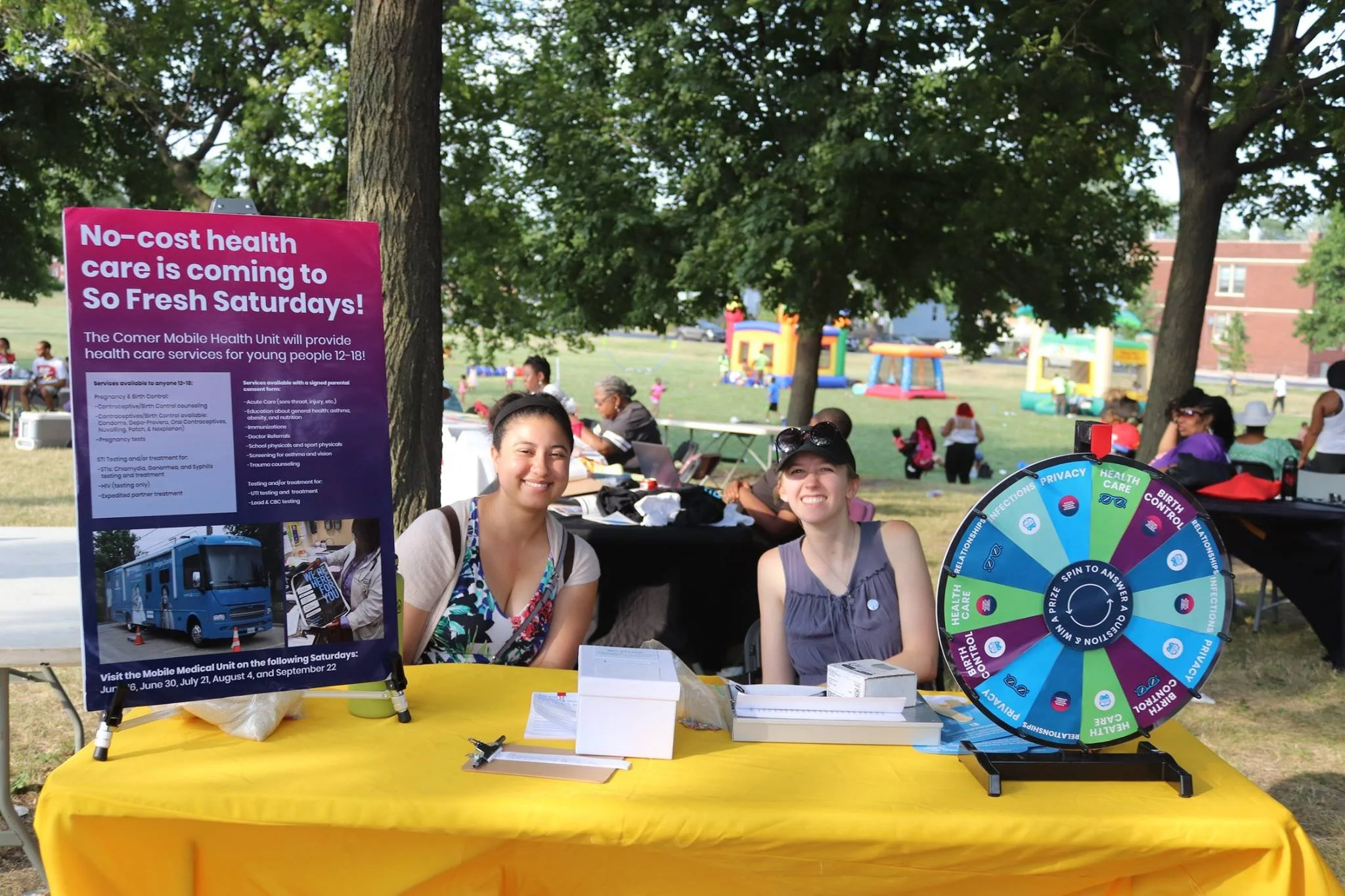
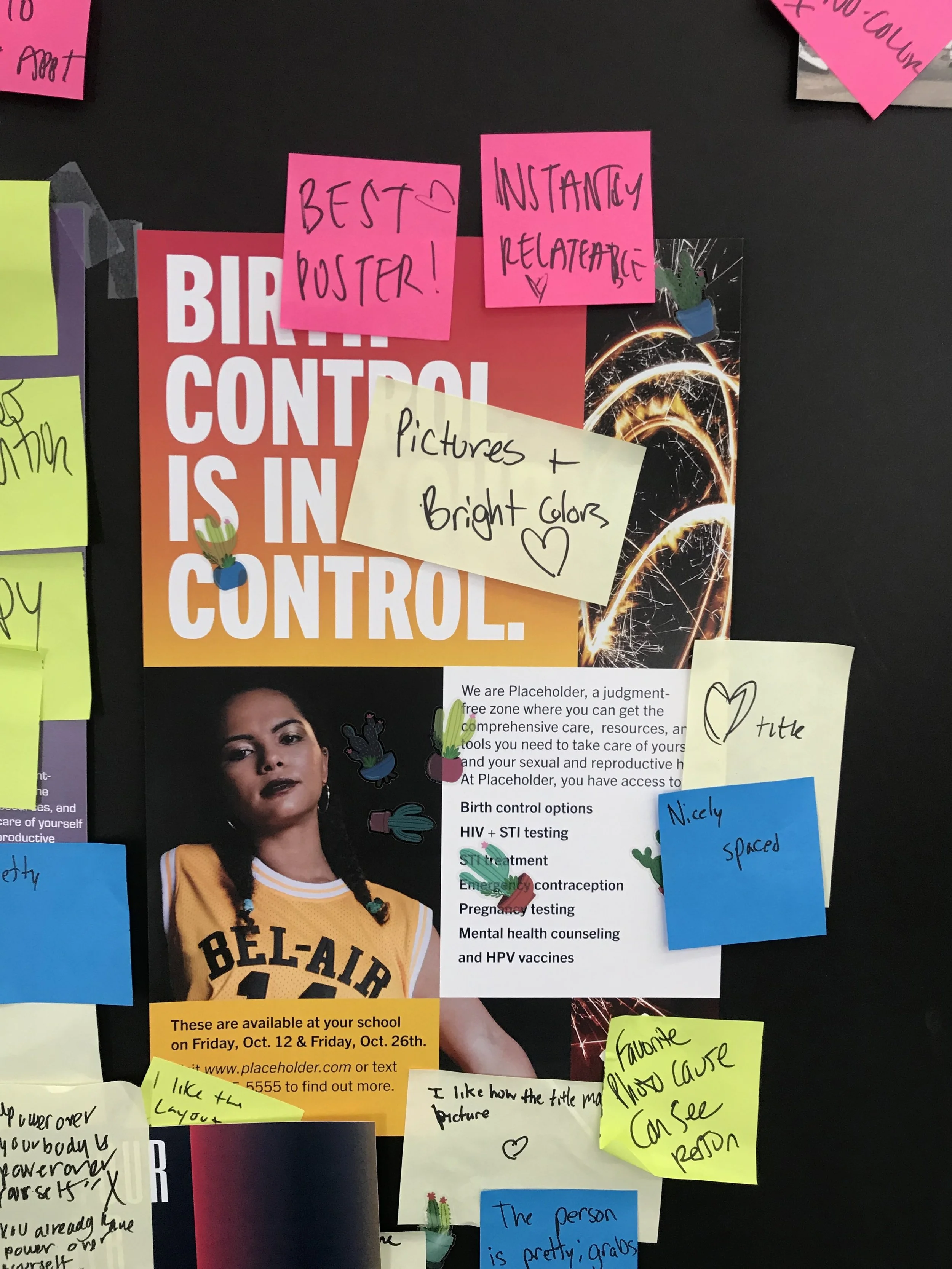
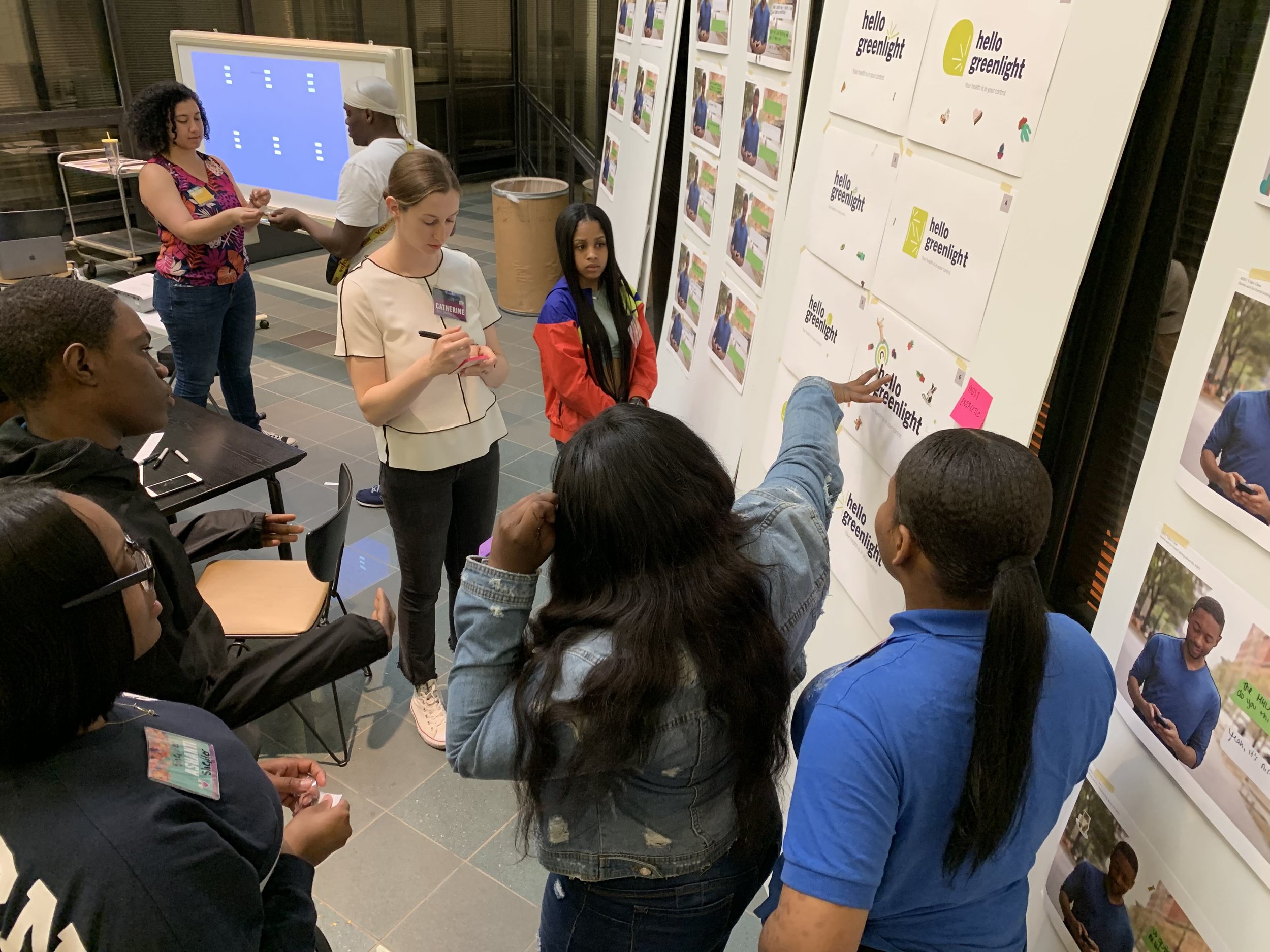
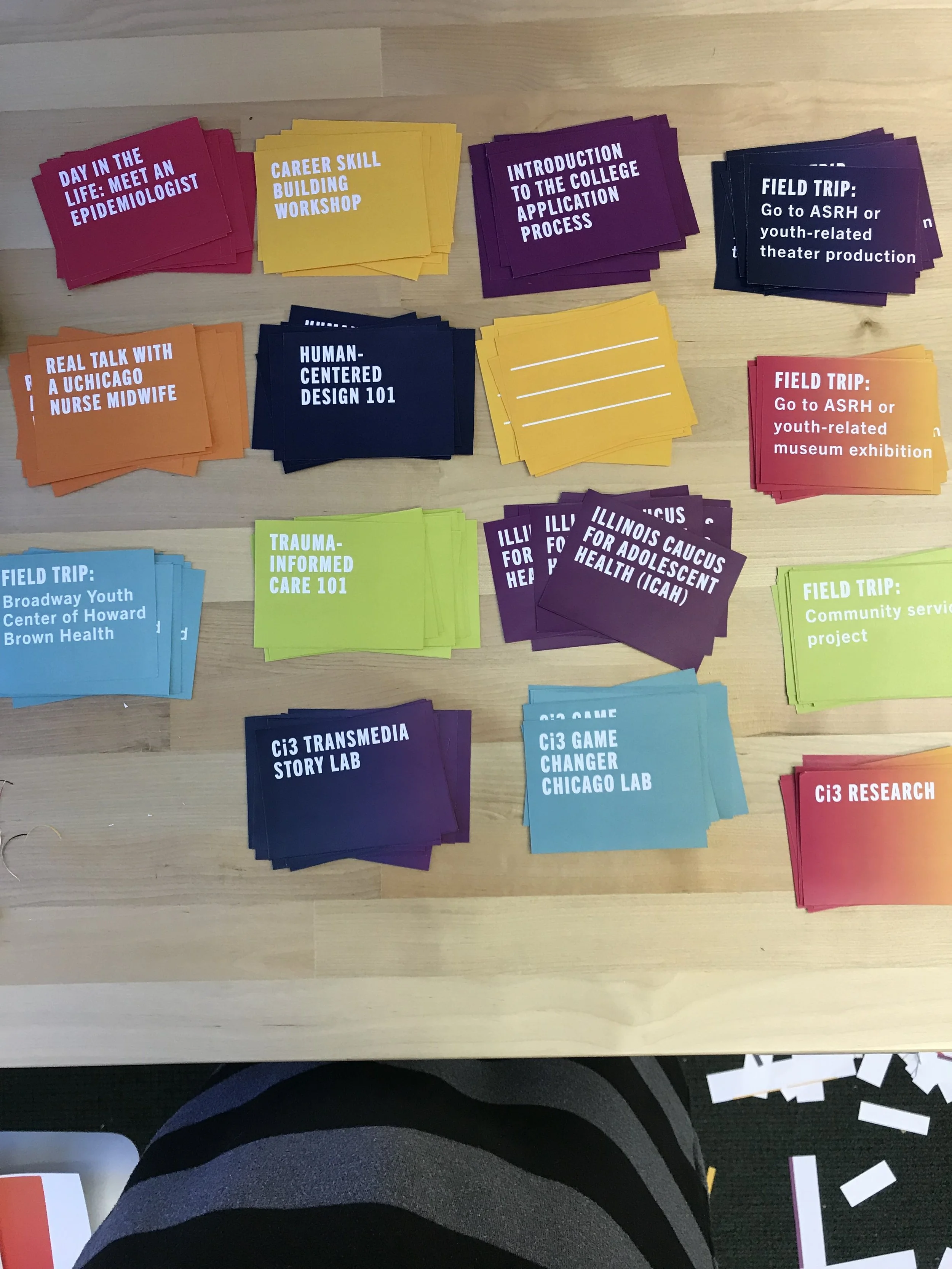
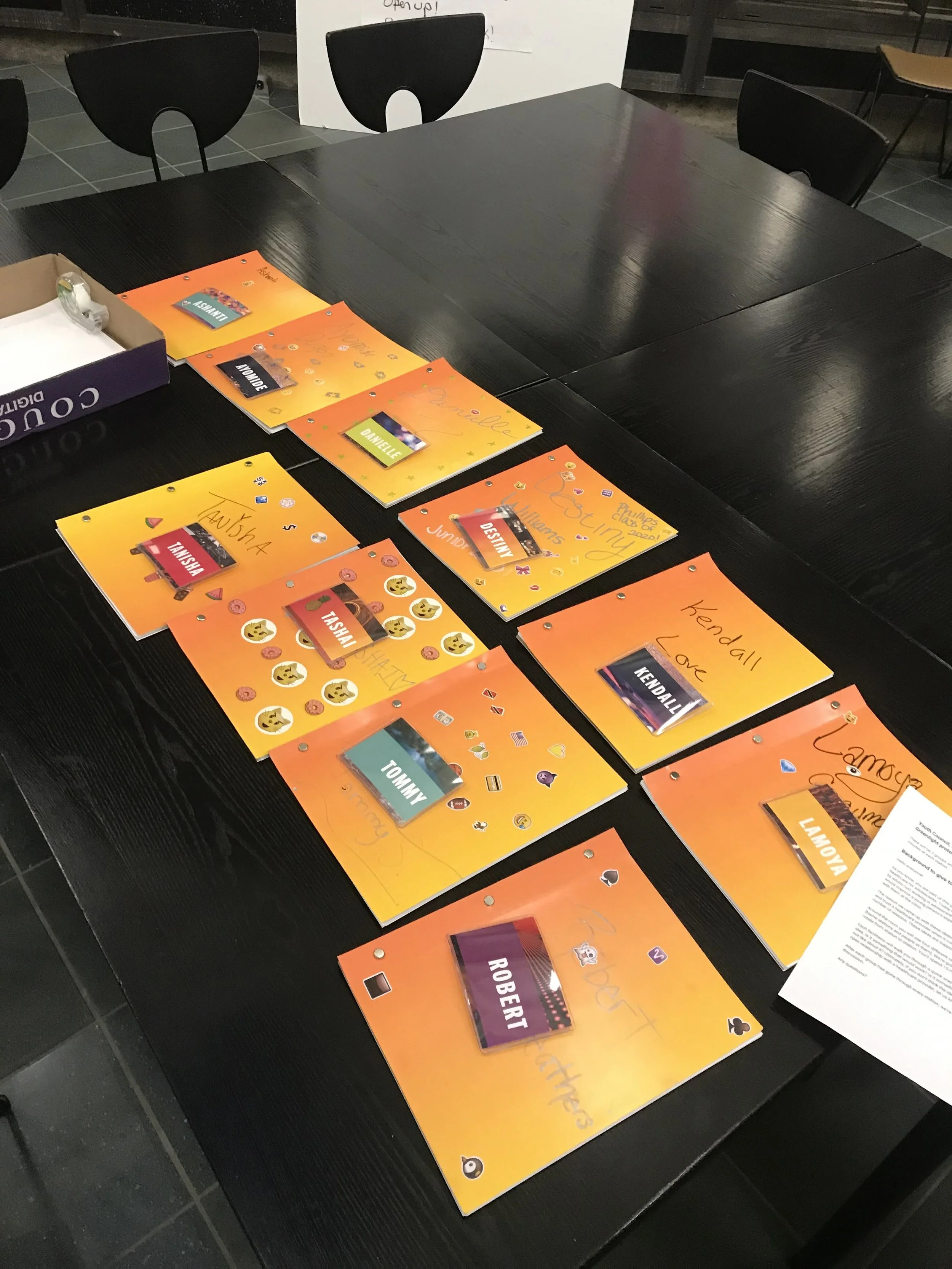
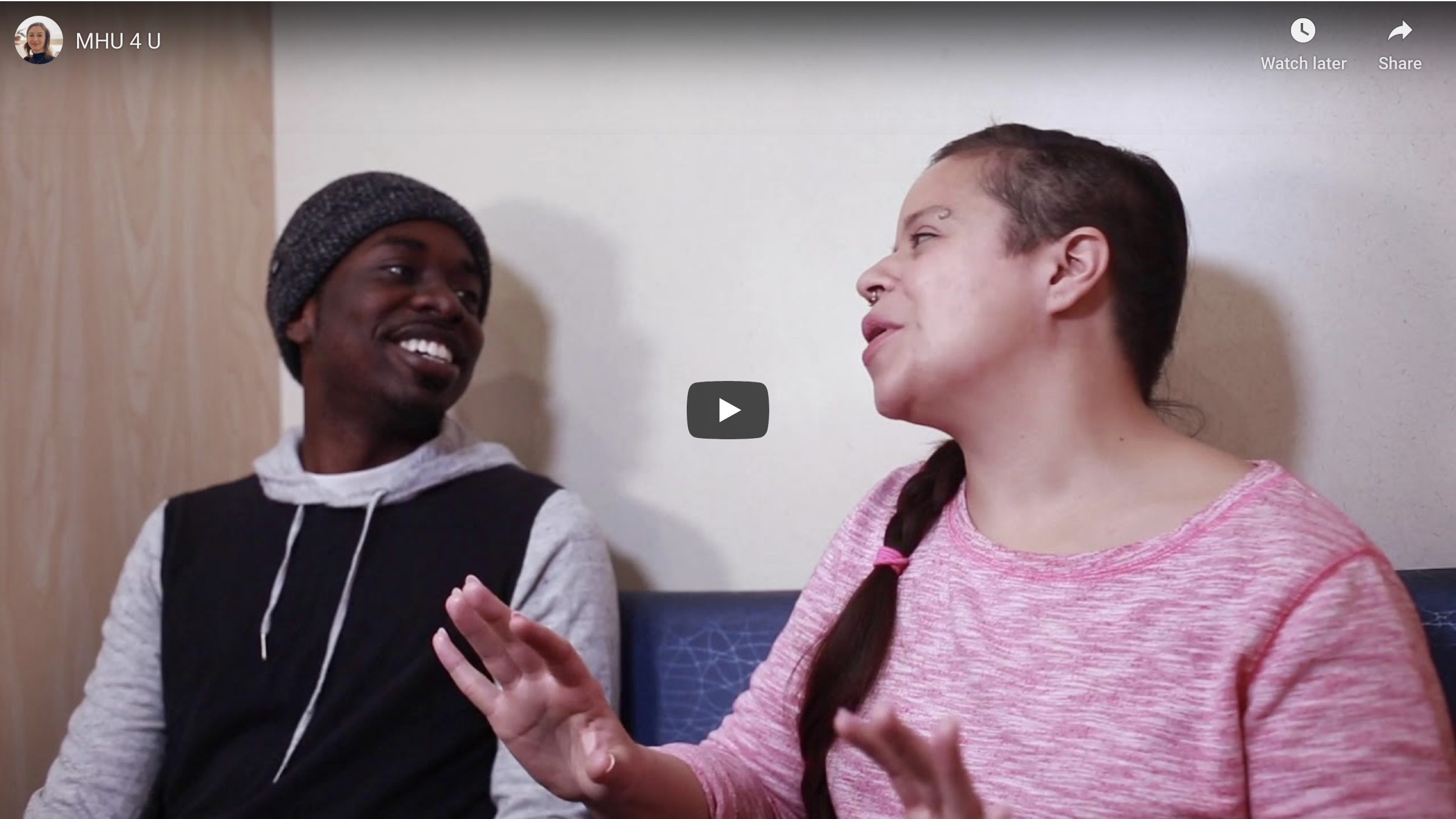
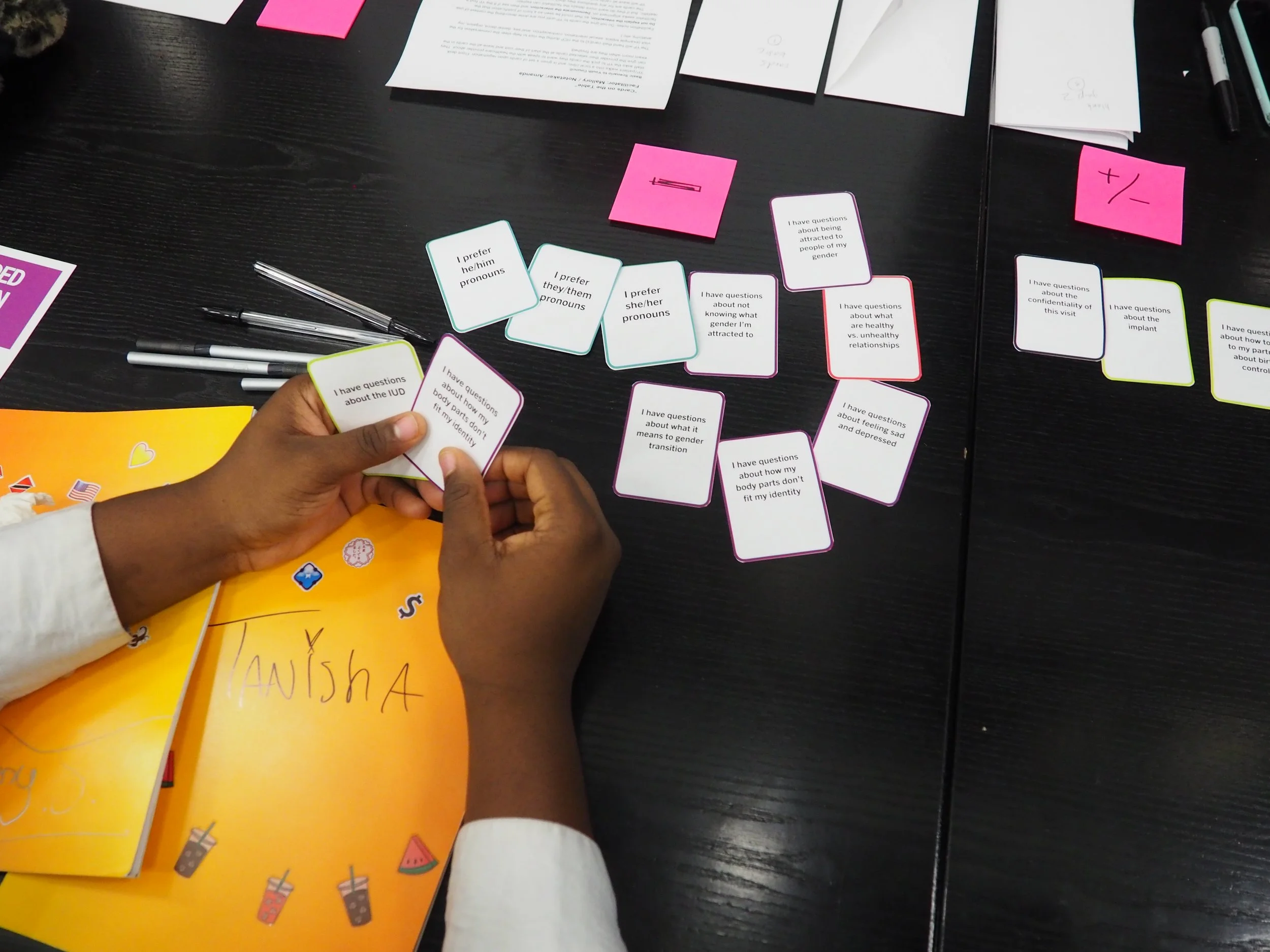
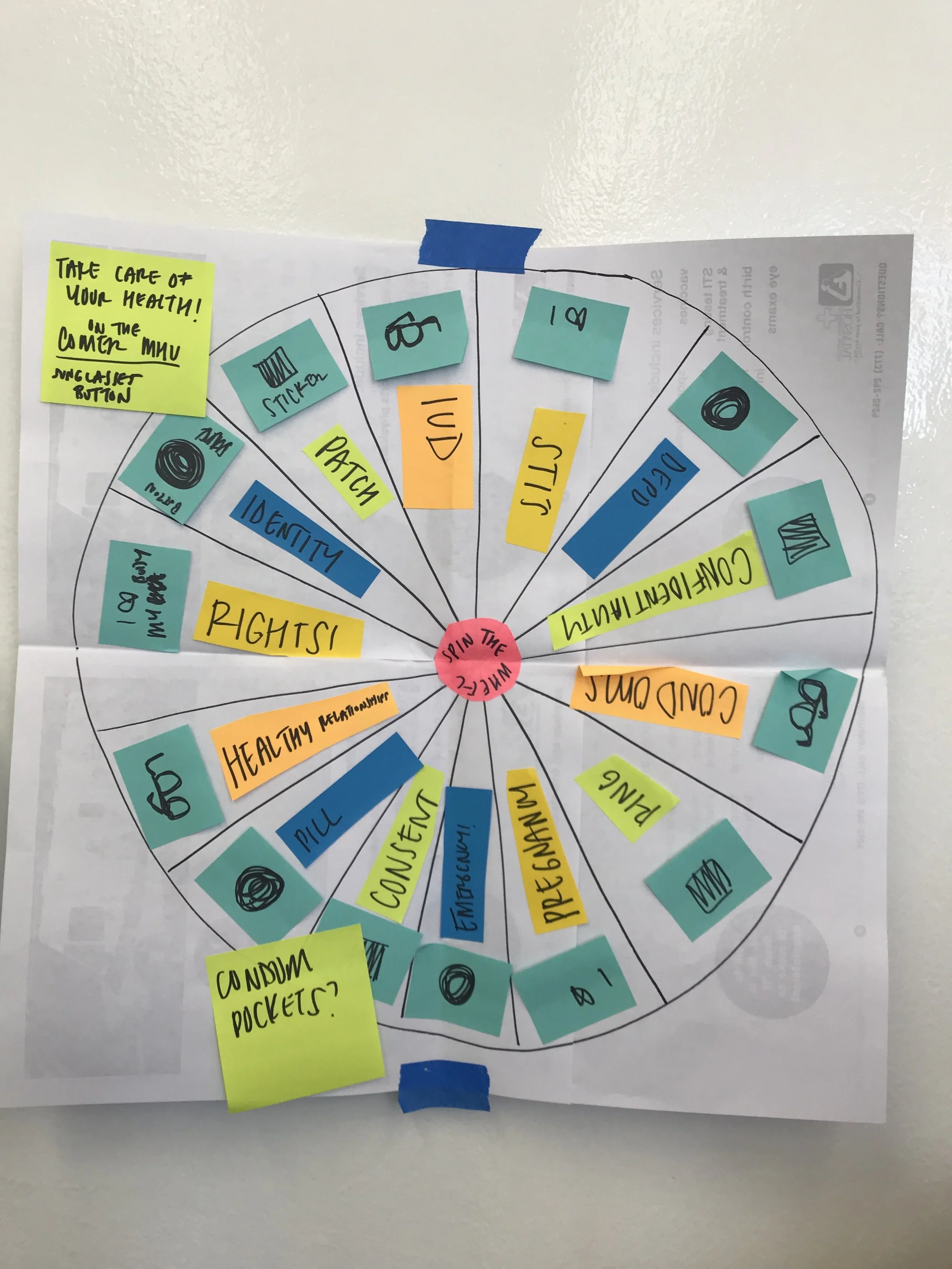
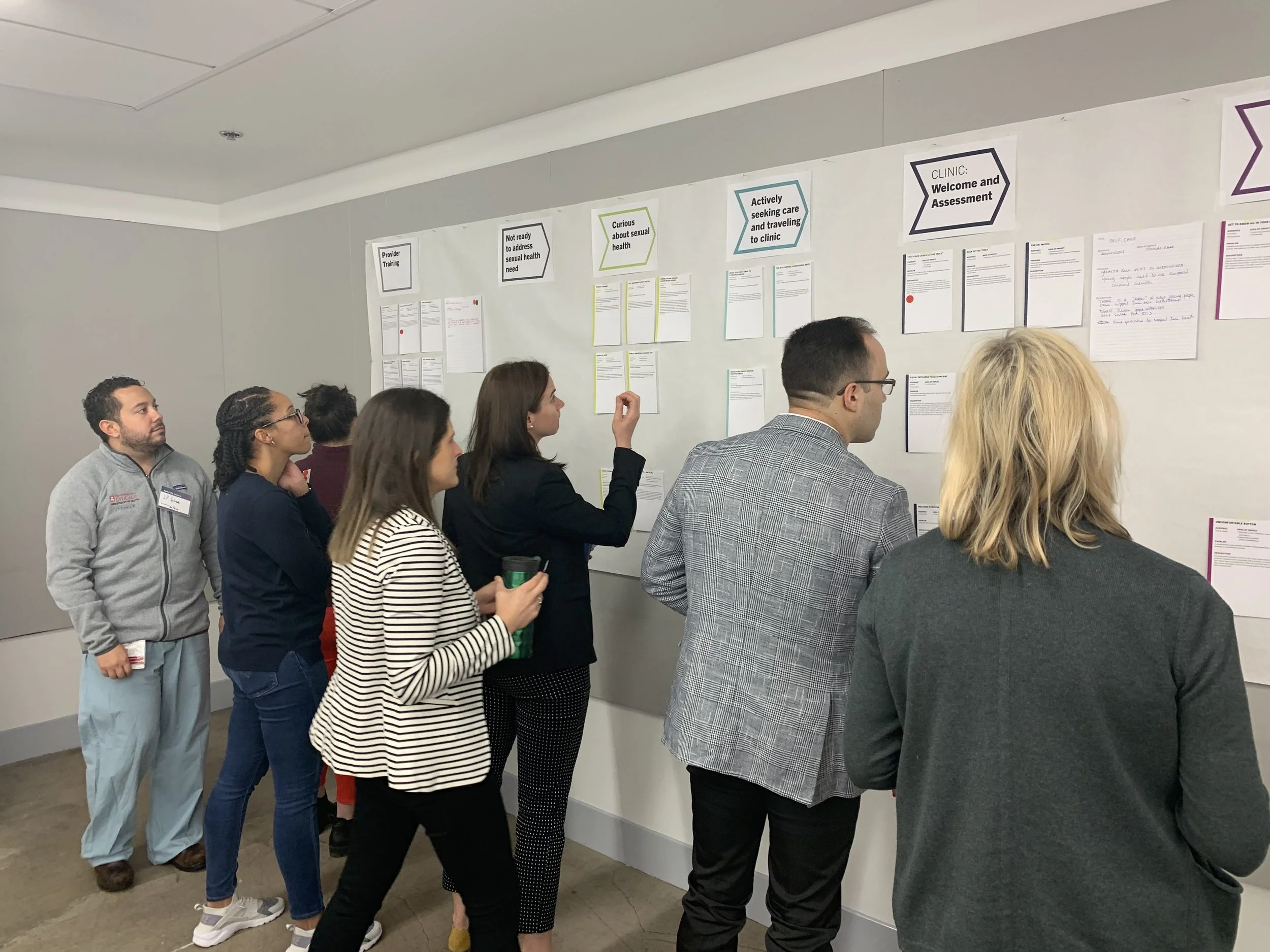
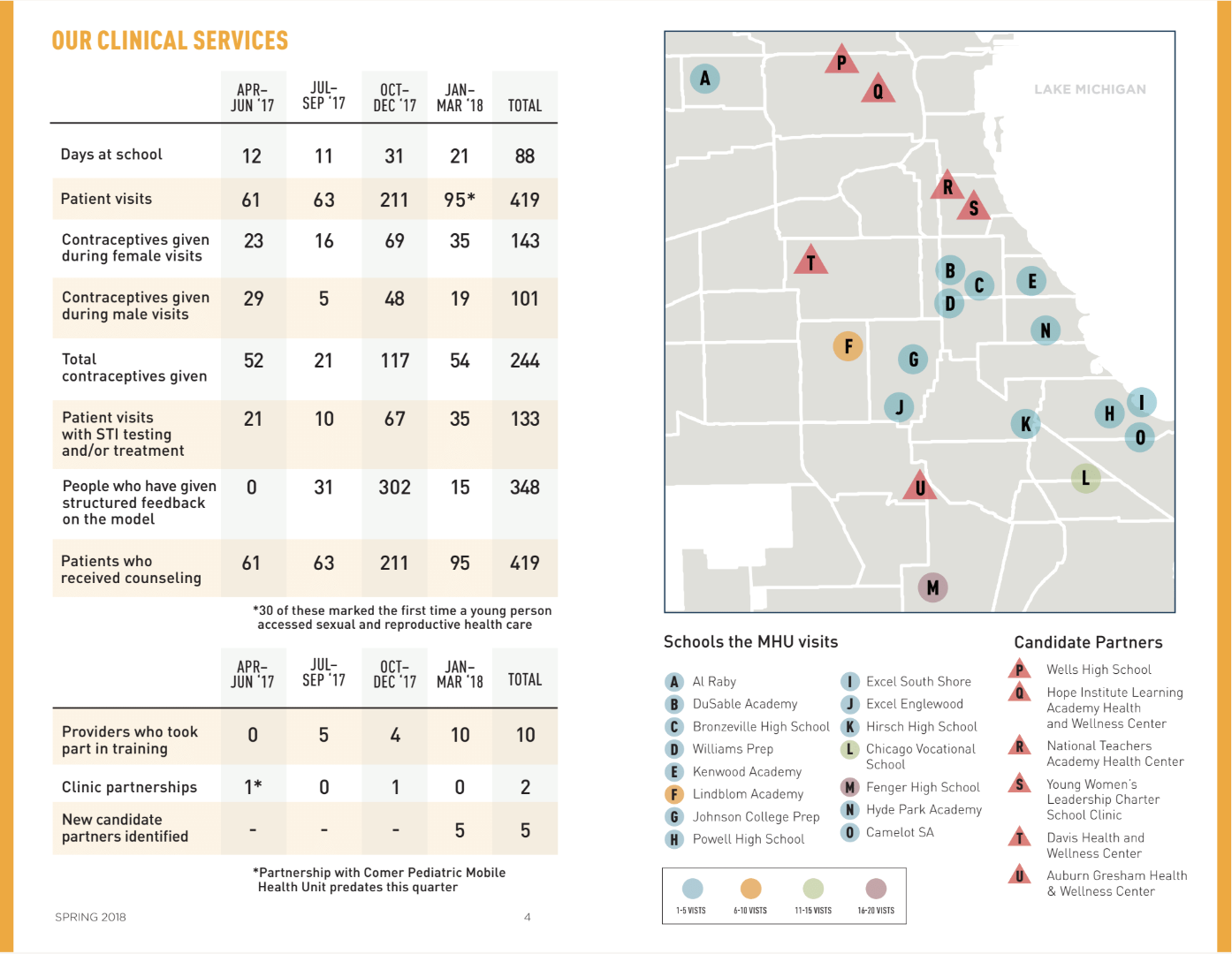
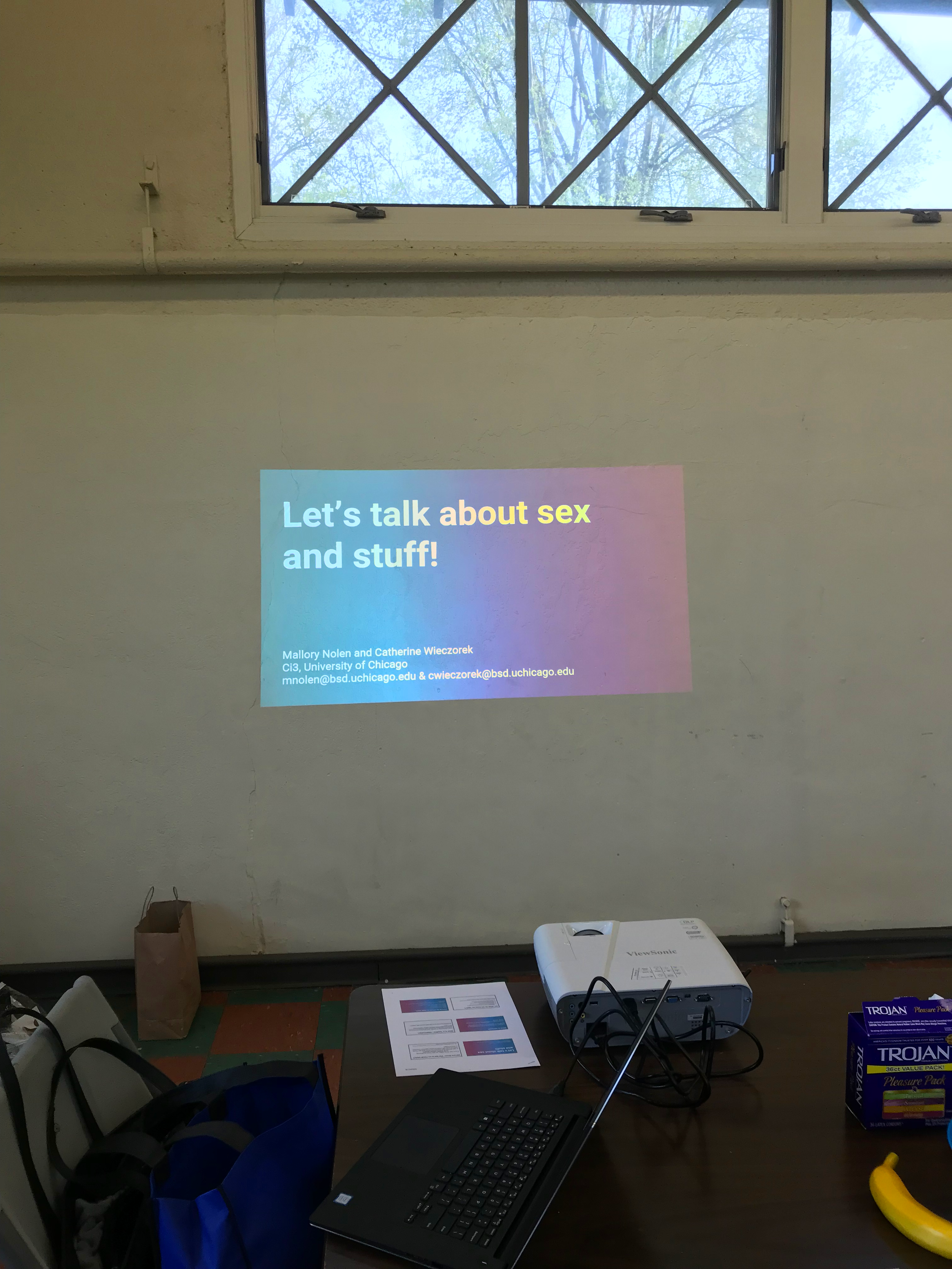
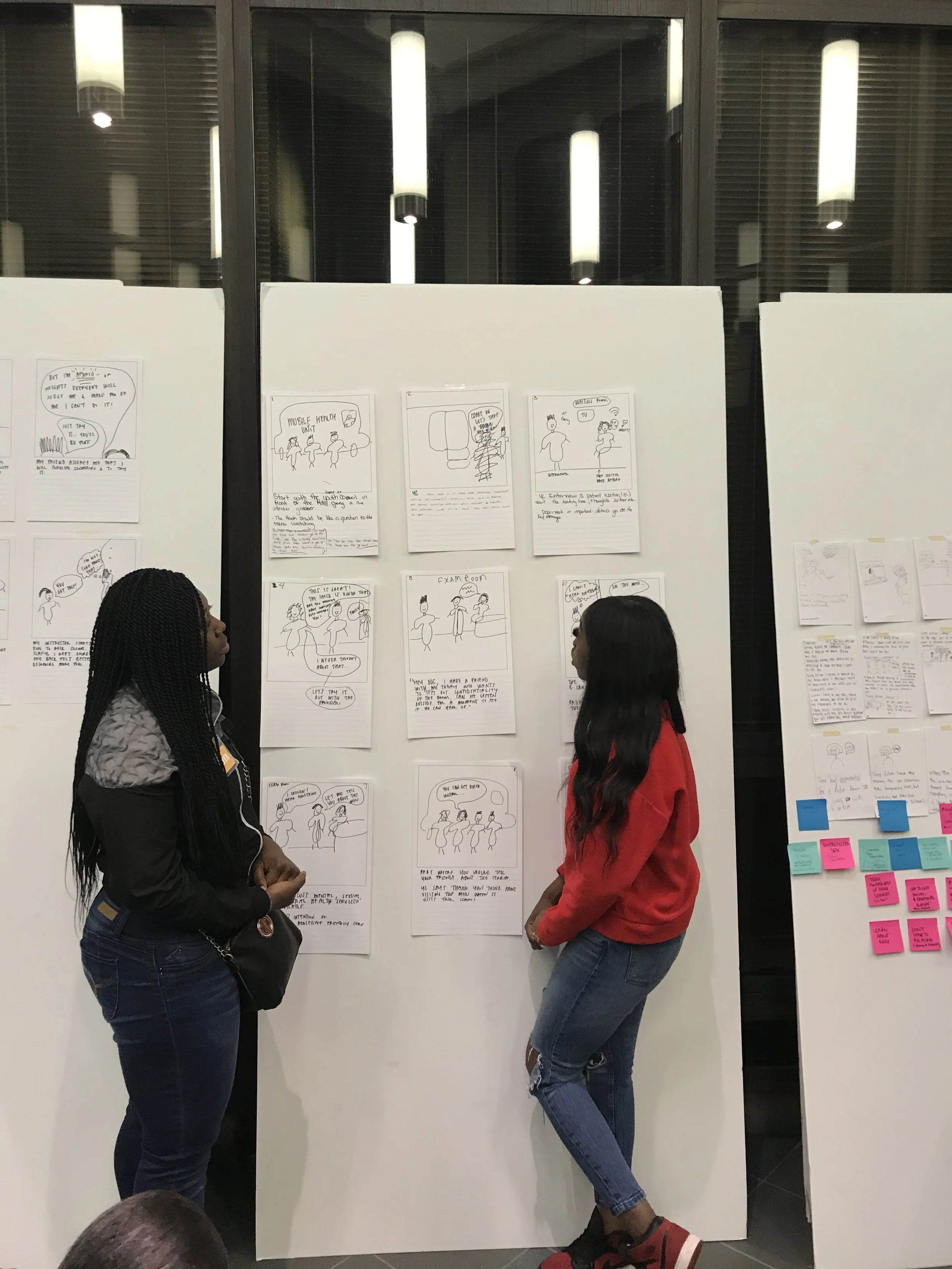
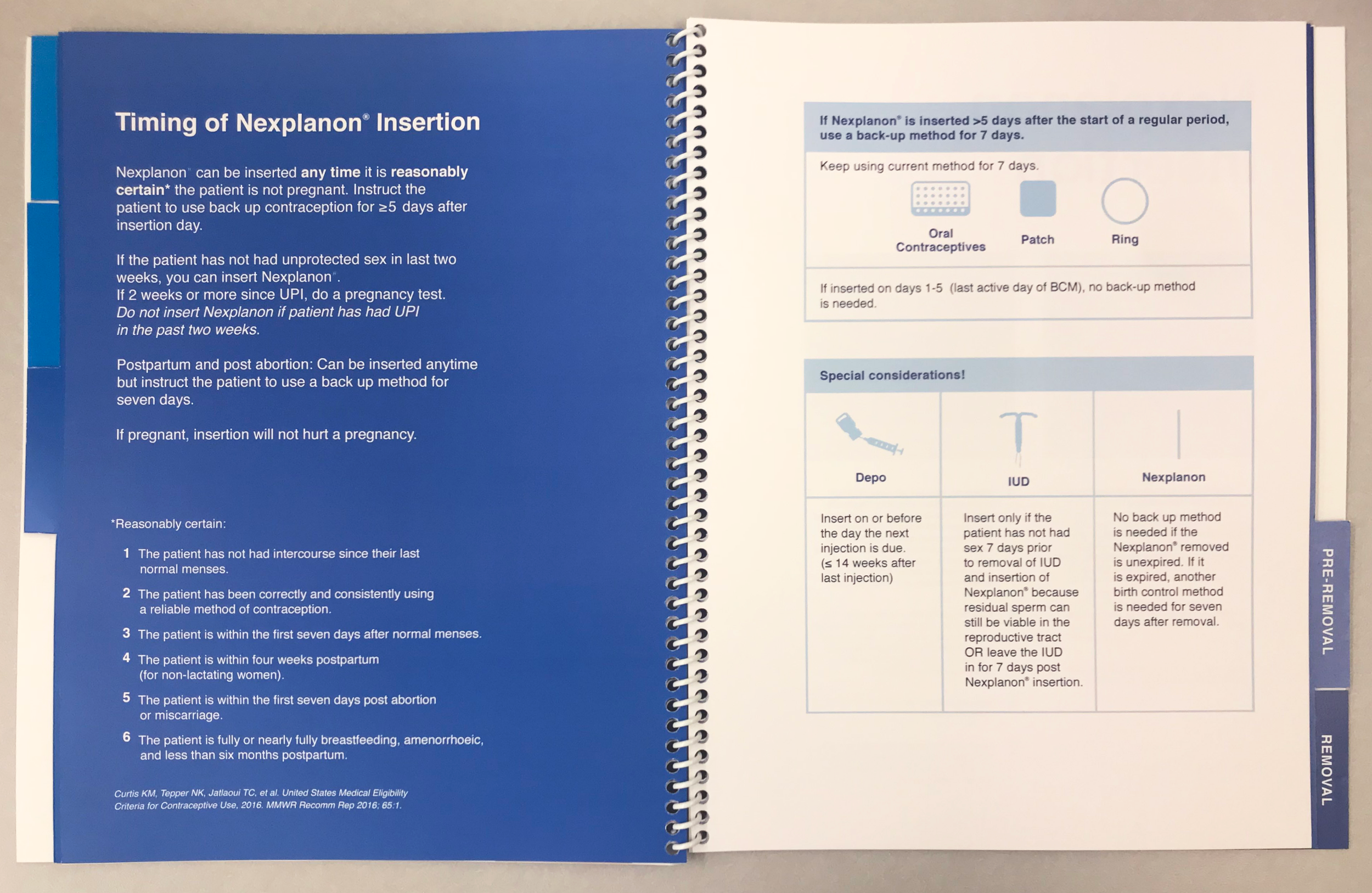
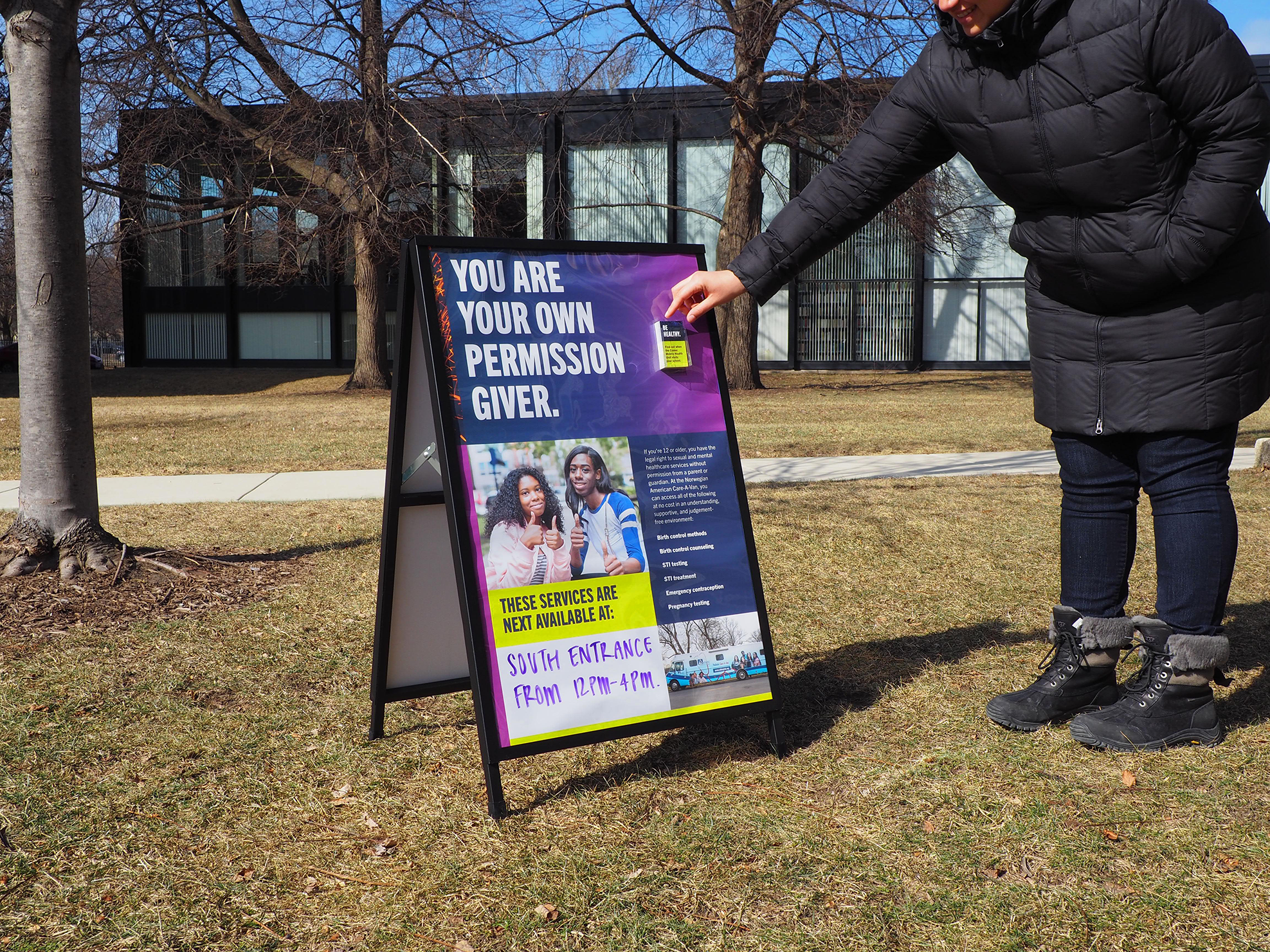
I joined Ci3's Design Thinking Lab at the University of Chicago in November 2017 as its Visual Communication Designer, working alongside researchers, clinicians, and young people on a Mobile Health Unit (MHU) bringing no-cost sexual healthcare to Chicago's South and West Sides. I came in with little public health background and learned the field by doing. Overall, my methods included interviews and focus groups, conducting ethnographic observation across clinics, pharmaceutical trainings, and the MHU itself, and taking part in reproductive-justice organizing and community-based events on the South and West Sides. I also co-led more youth-focused programming including teaching sex ed and developing and designing for a youth council, where we taught young people design and sexual health together and continually prototyped with them.That immersion fed directly into the making side of the role where I created illustrations, diagrams, workbooks, worksheets, cards, posters, a full brand identity, flyers, sandwich boards, instruction manuals, swag, videos, and provider trainings, produced fast enough to get into the hands of patients and clinicians almost as soon as a need surfaced.
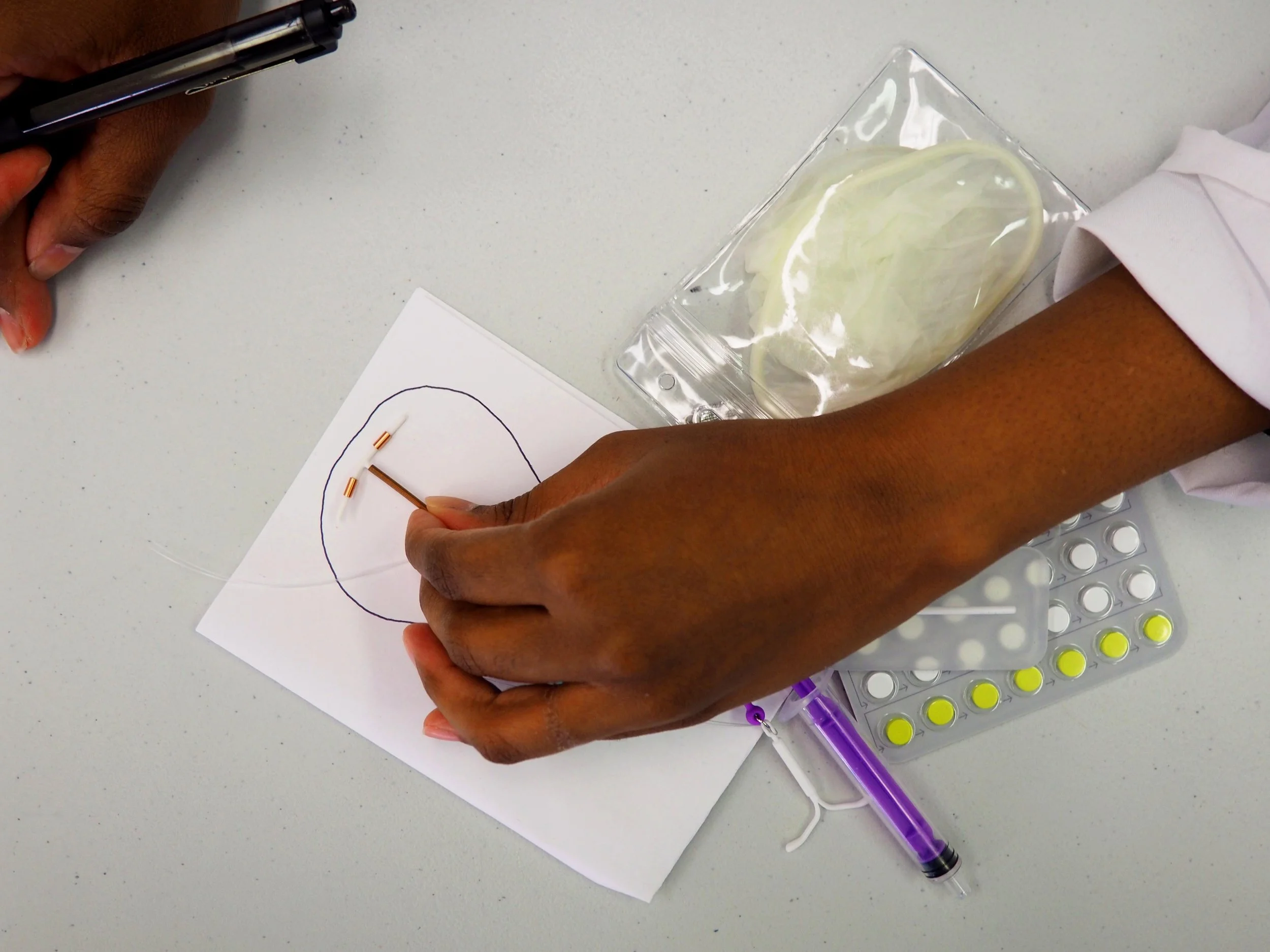
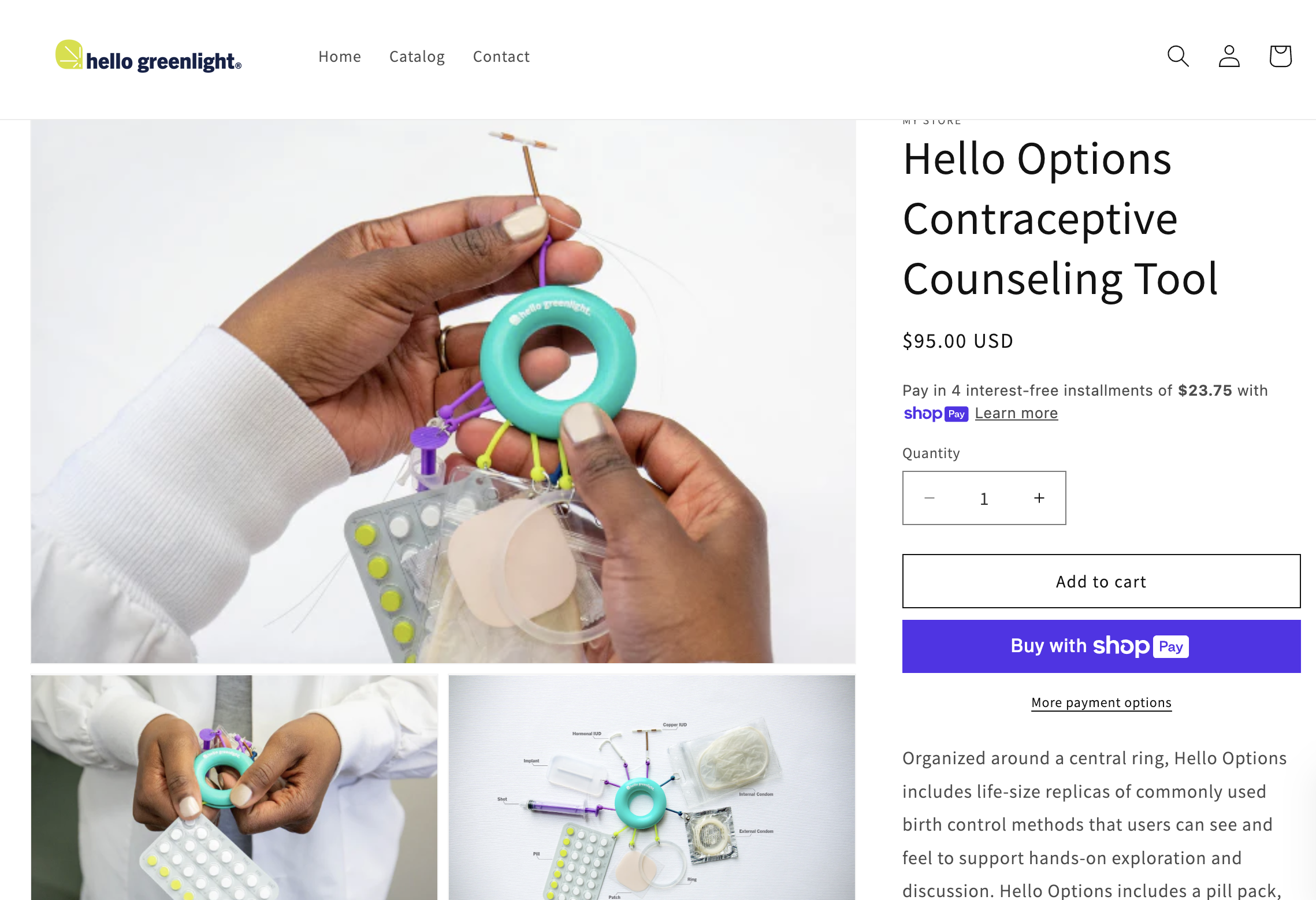
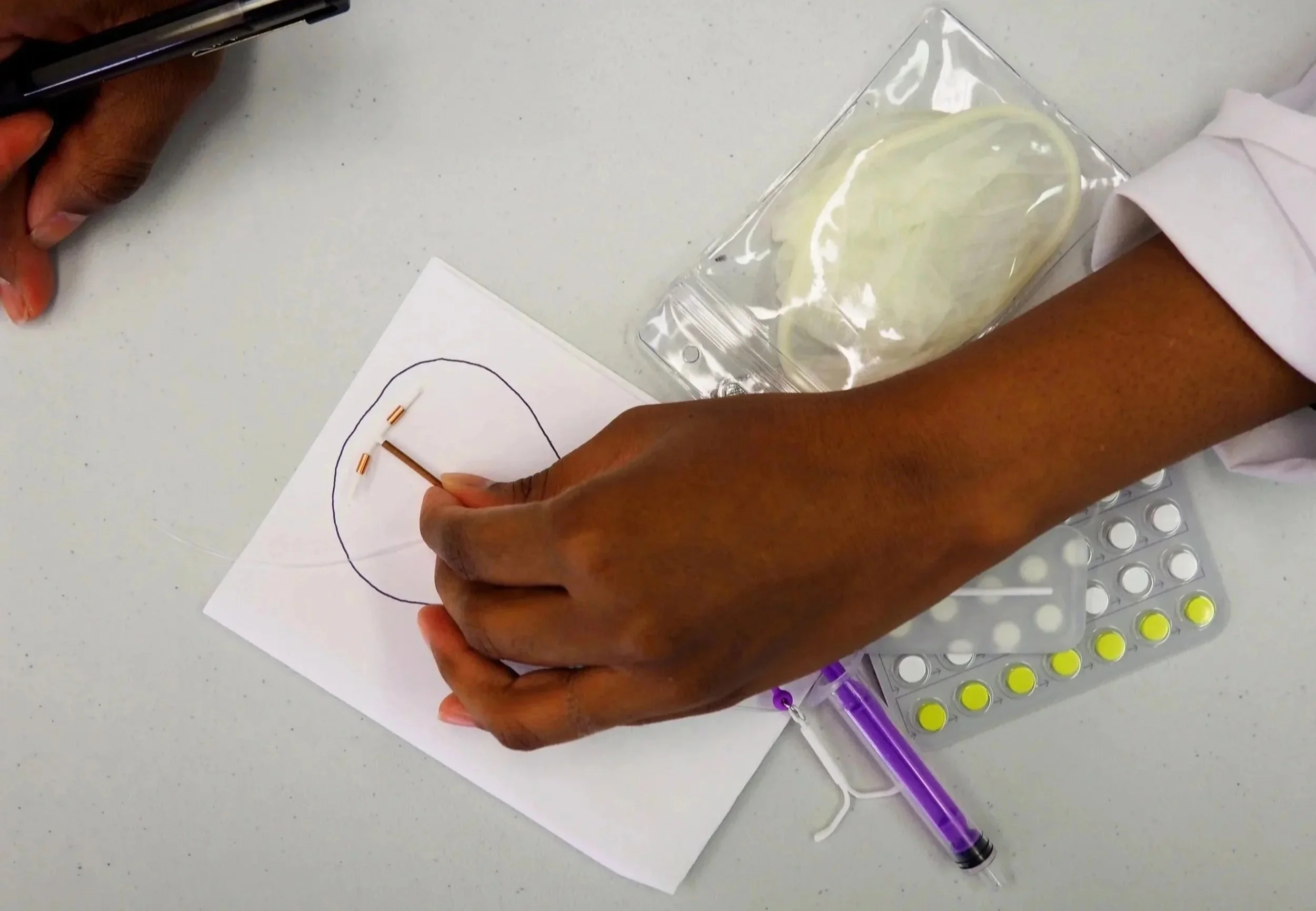
From there, the work moved into research and prototyping for a wider set of products and services: provider trainings that address bias and improve the care young people receive, tools that make it easier for young people to raise sexual health questions with a provider, and resources that help parents support their kids through these conversations in ways that feel positive rather than punitive. We also provided technical assistance to organizations and clinics putting these tools and trainings into practice. The throughline across all of it: meet people where they are, design alongside them, and keep testing until the thing in someone's hands actually works for them.
2017–2019
Design Research: Melissa Gilliam, MD, MPH (PI), Amanda Geppert, Catherine Wieczorek, Laura Paradis, Michael (MJ) Johnson, Shannon Delaney, Tina Schuh, Mary Foyder Design, Kyle Buzzard (Prota Studios), Colleen Arturi (The Story Shoppe), Adam Geremia
Awards
Notable Strategy & Research Award, Core77 Design Awards 2019
Media
NPR, 2020. Trying to Decide What Birth Control to Use?
Millman, D. (Host). (2021). [Episode featuring Hello Options] (Season 1, Episode 3) [TV series episode]. In America by Design: Innovations. MWC Productions.
Related Publications
Wieczorek, C., Tran, A.-T., Lin, C. K., Forlano, L., DiSalvo, C., & Bardzell, S. (2026). Whose time counts? Temporal arrangements in sociotechnical infrastructures. In Proceedings of the 2026 CHI Conference on Human Factors in Computing Systems (CHI '26). Association for Computing Machinery. https://doi.org/10.1145/3772318.3790780
Wieczorek, C., Lin, C. K., & Bardzell, S. (2025). Making sense of trauma over time: Interweaving feminist temporalities to understand histories. Proceedings of the ACM on Human-Computer Interaction, 9(CSCW2), Article 130. https://doi.org/10.1145/3711028
Lee, S. Y., Brodyn, A. L., Koppel, R. S., Tyler, C. P., Geppert, A. A., Truehart, A. I., & Gilliam, M. L. (2021). Provider and patient perspectives on a new tangible decision aid tool to support patient-centered contraceptive counseling with adolescents and young adults. Journal of Pediatric and Adolescent Gynecology, 34(1), 18–25. https://doi.org/10.1016/j.jpag.2020.10.004