Hello Greenlight: A Sexual Health Service Platform Designed with and for Young People
Many young people in the U.S. don't know they have a right to confidential, often low-cost sexual healthcare. And on average they wait 14 to 17 months after becoming sexually active before talking with a provider. At the same time, many of the providers they see, including pediatricians and nurse practitioners, receive little dedicated training in adolescent sexual health, and counseling can narrow to a limited set of options that leaves little room for young people's actual questions. These gaps fall hardest on youth in under-resourced communities, who, as minors without their own money or transportation, already face other barriers to care.
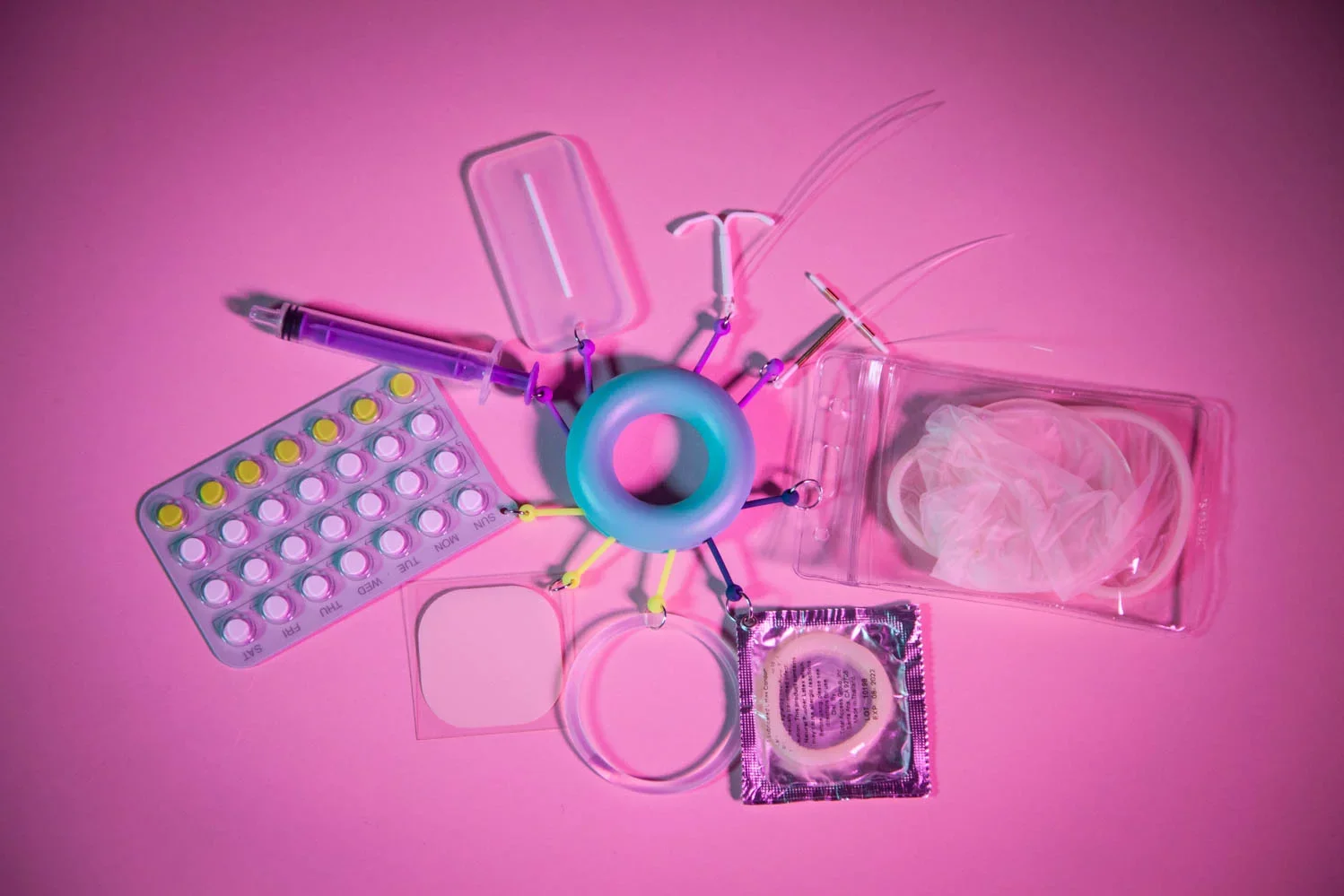
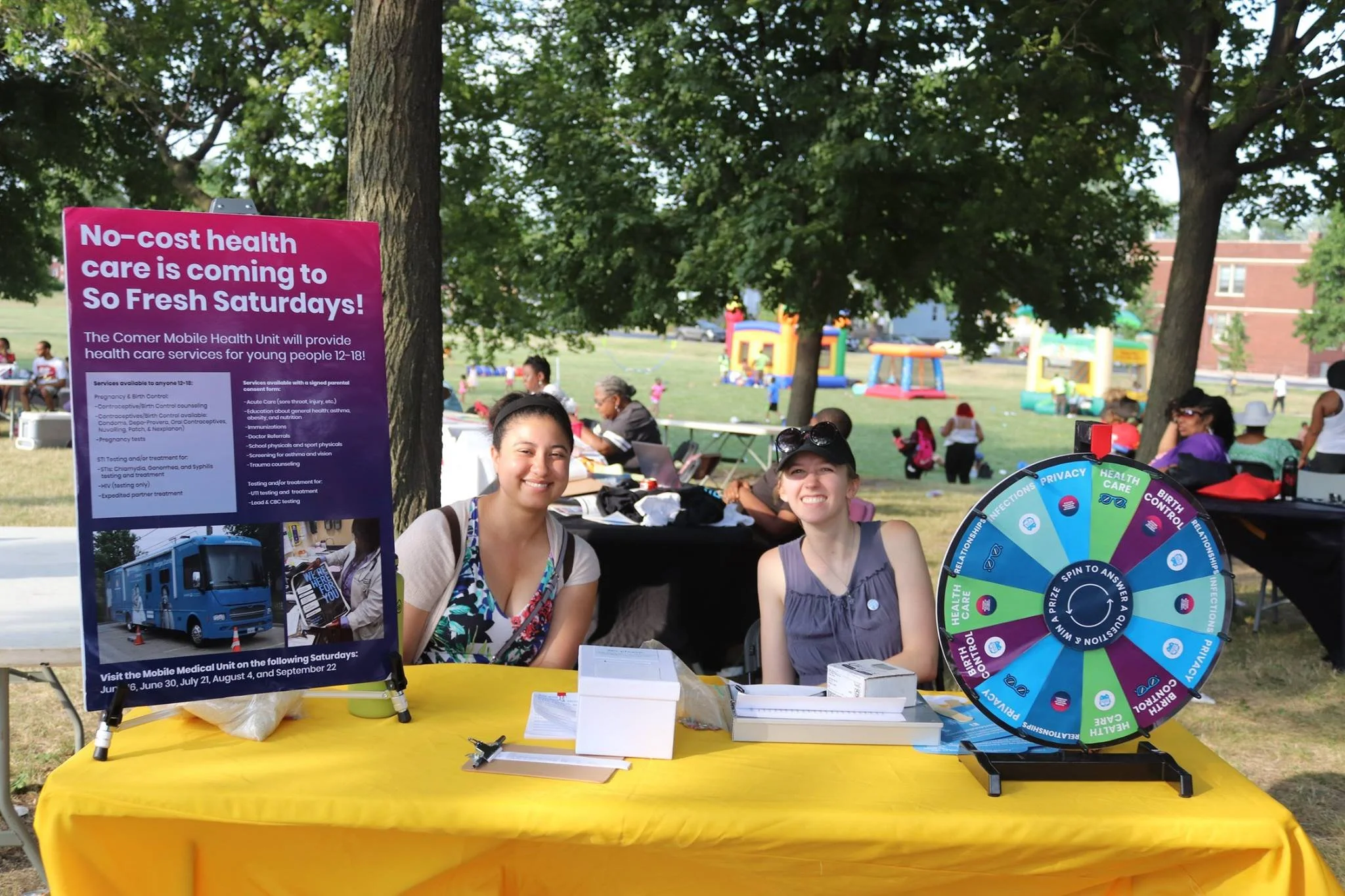
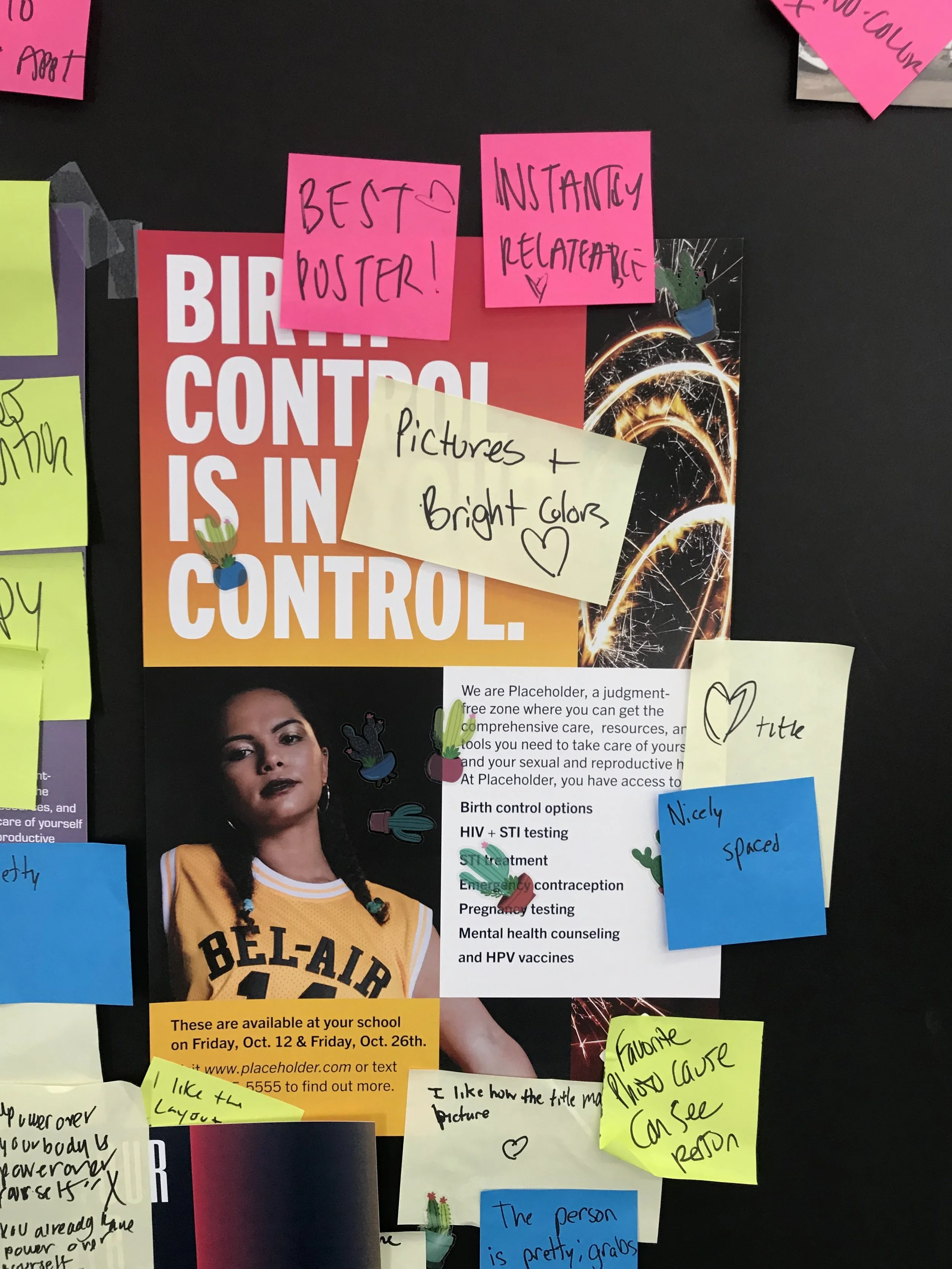
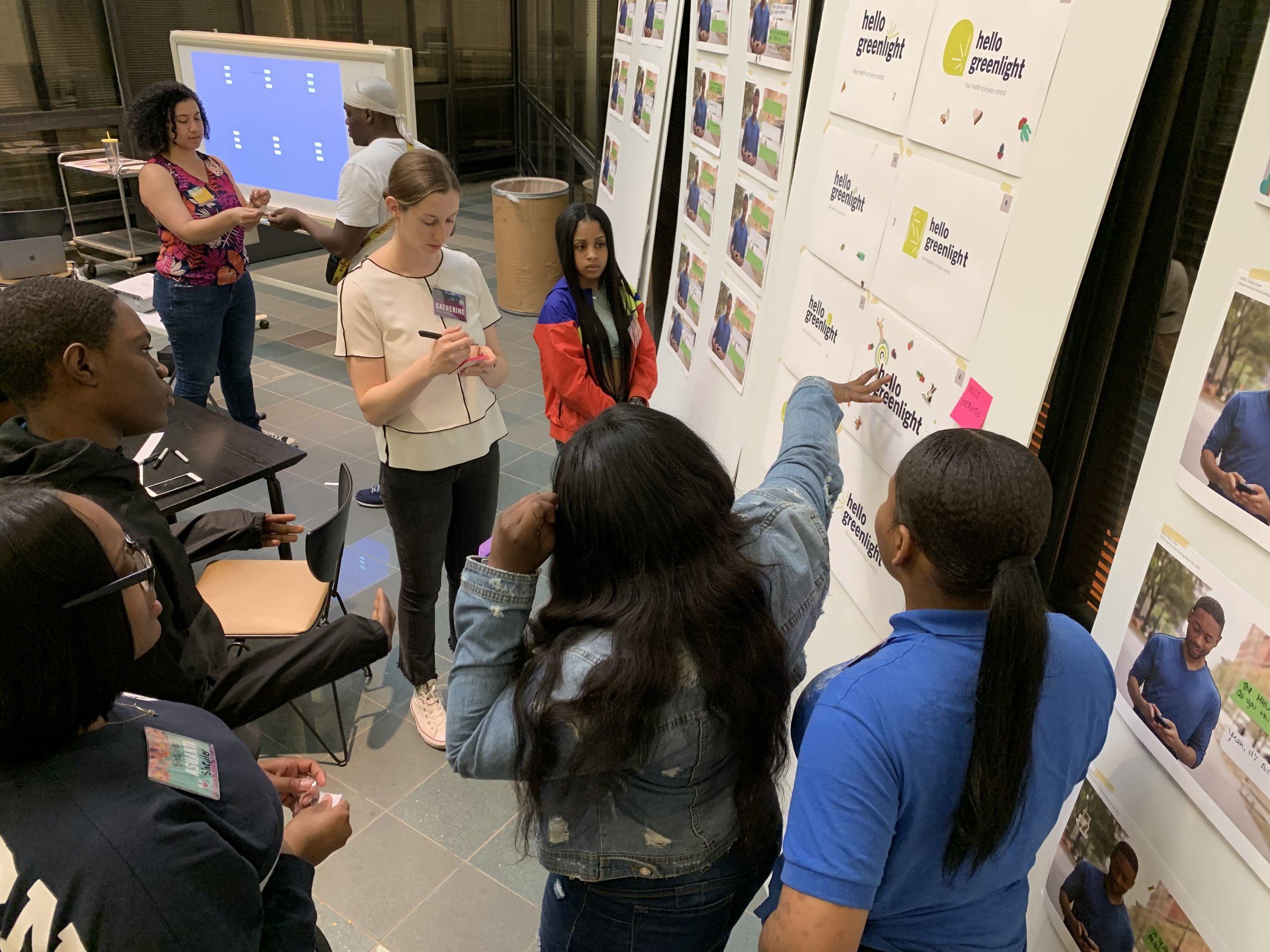
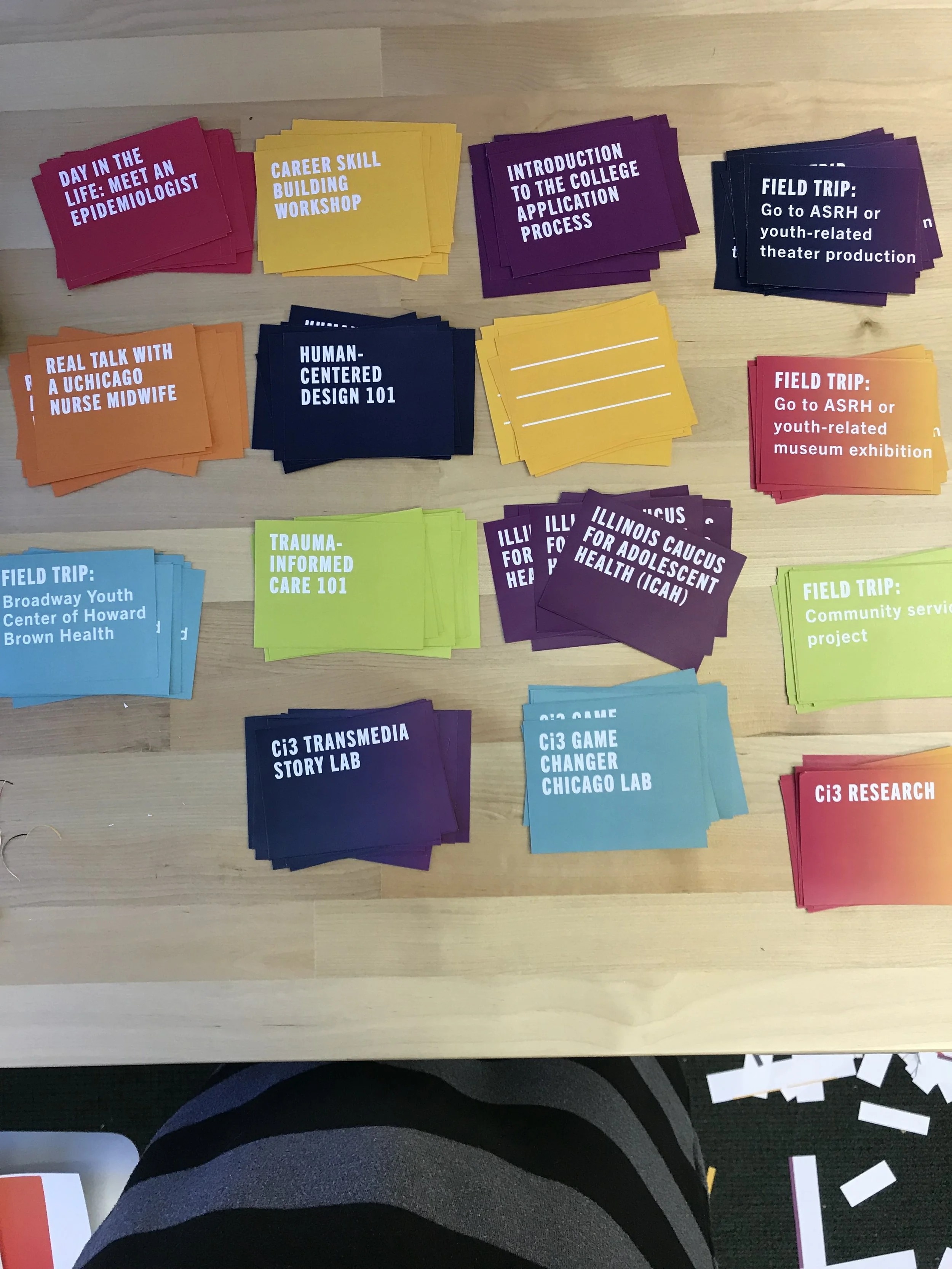
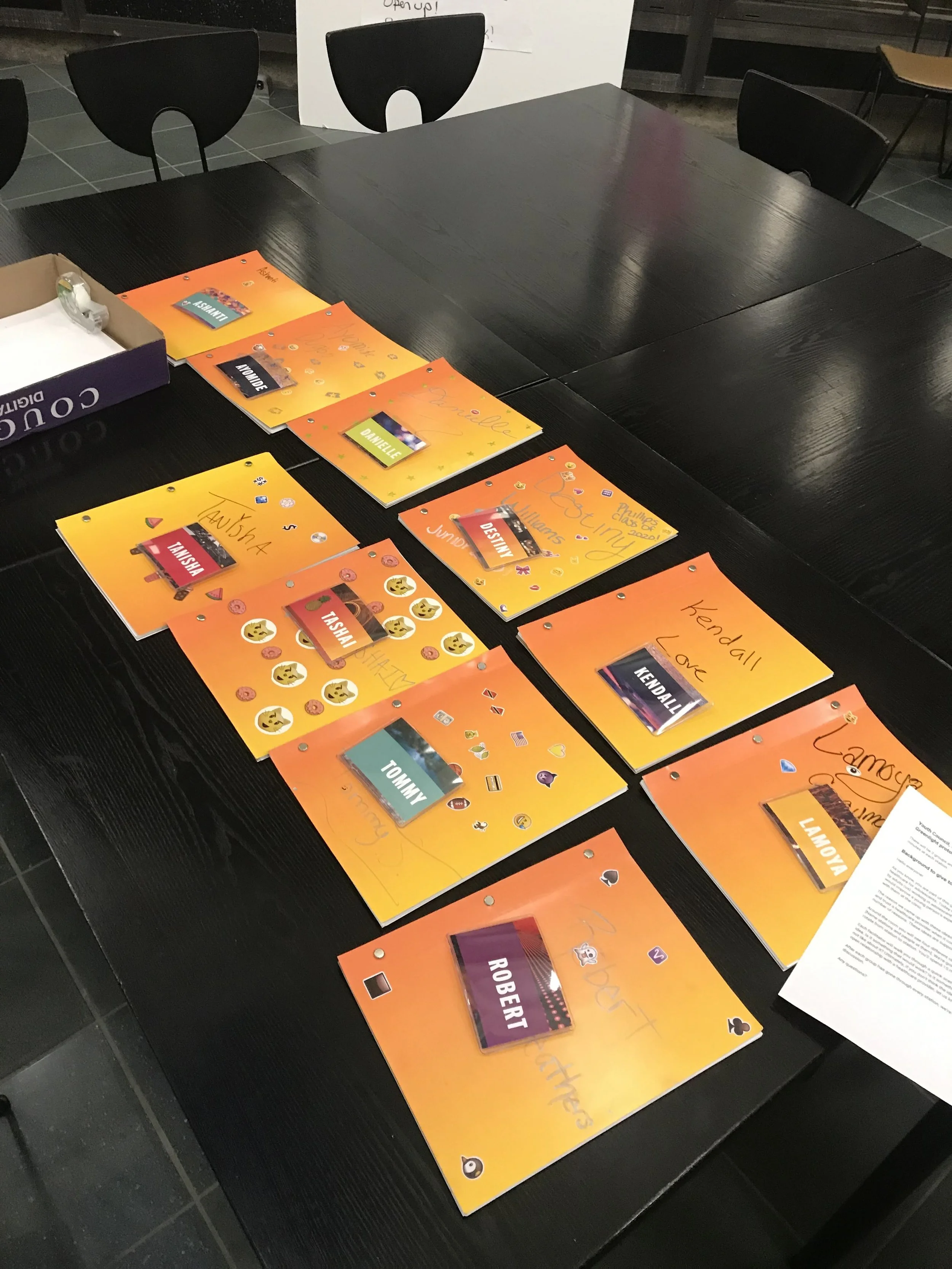
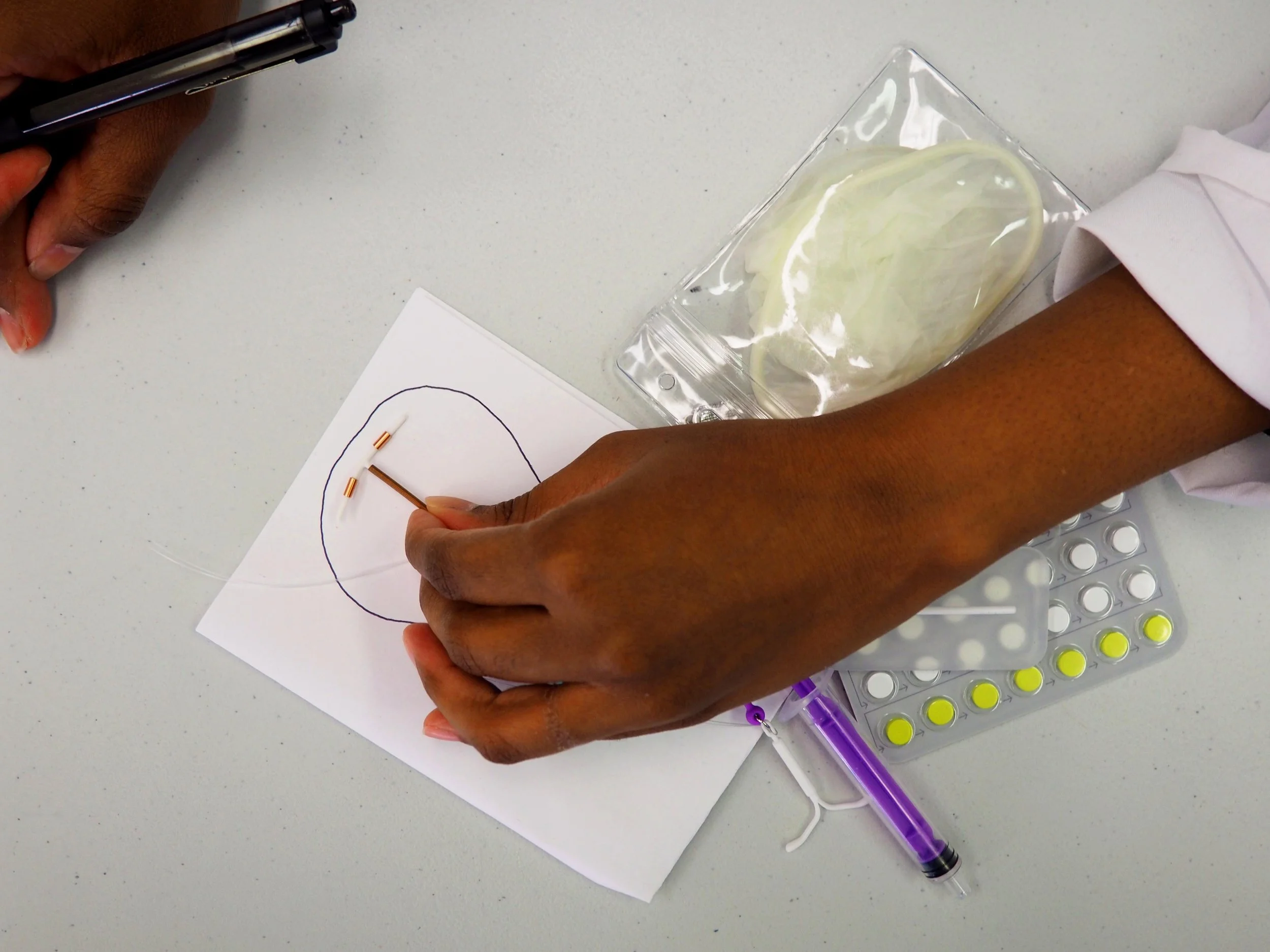
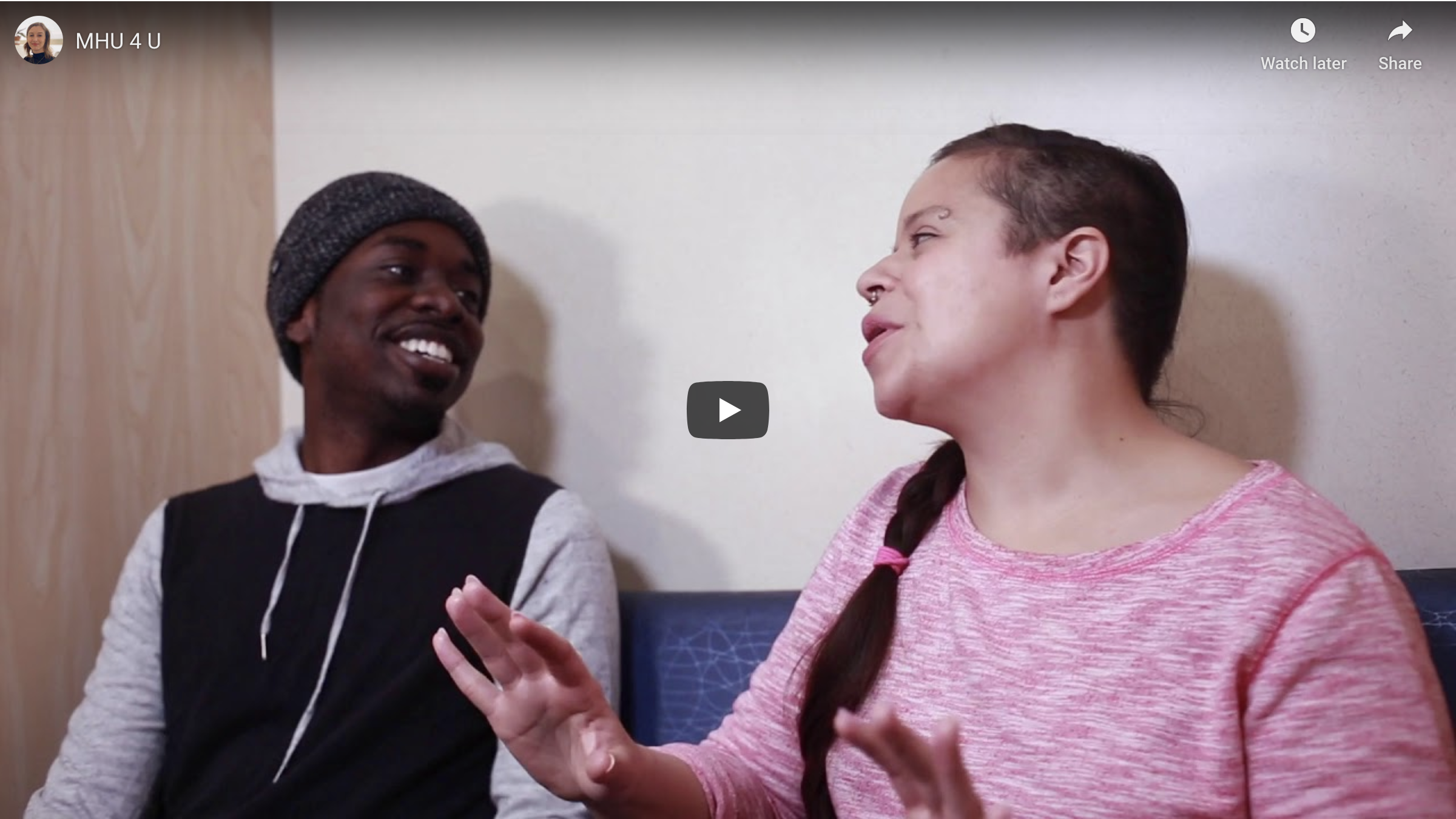
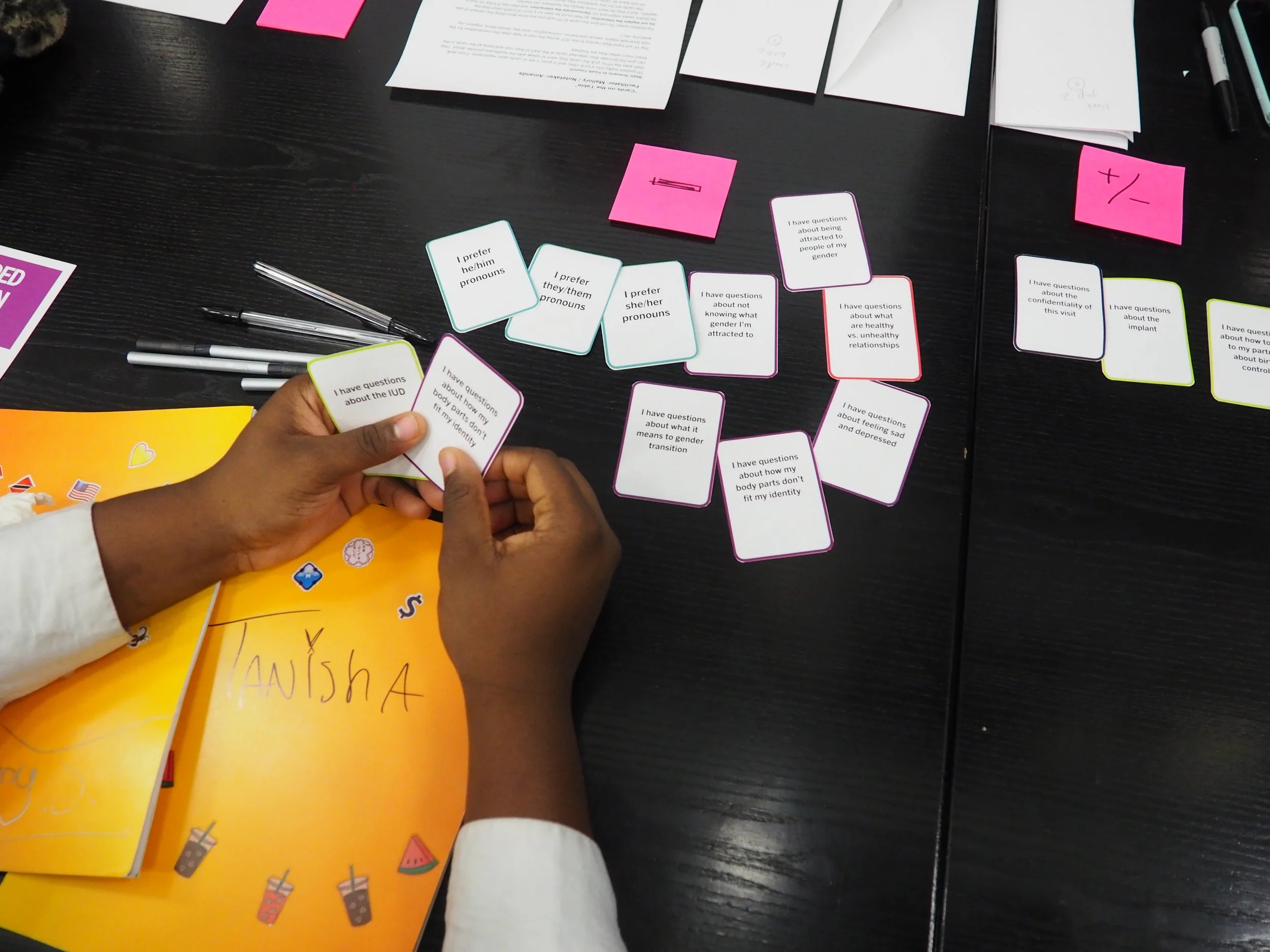
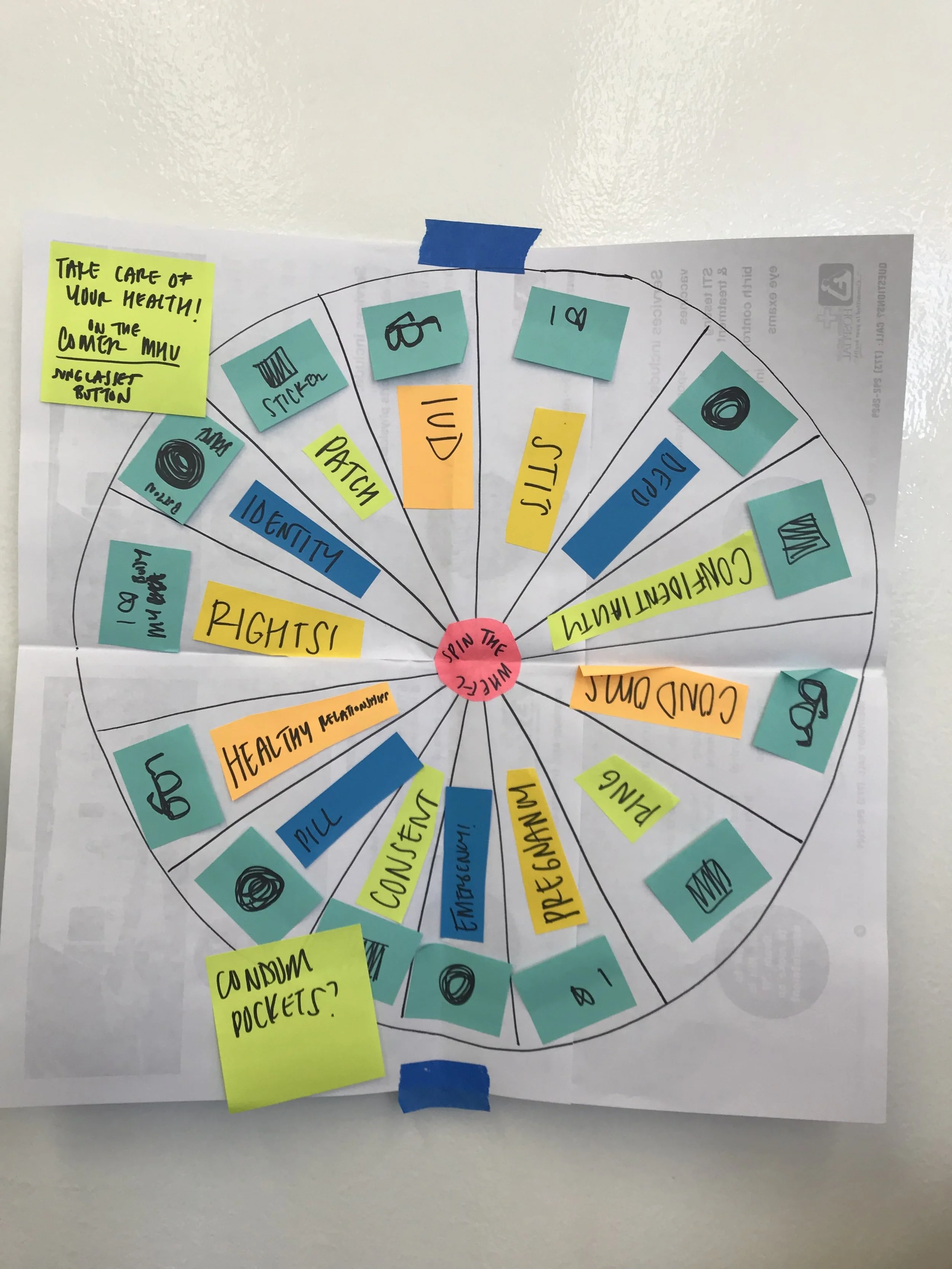
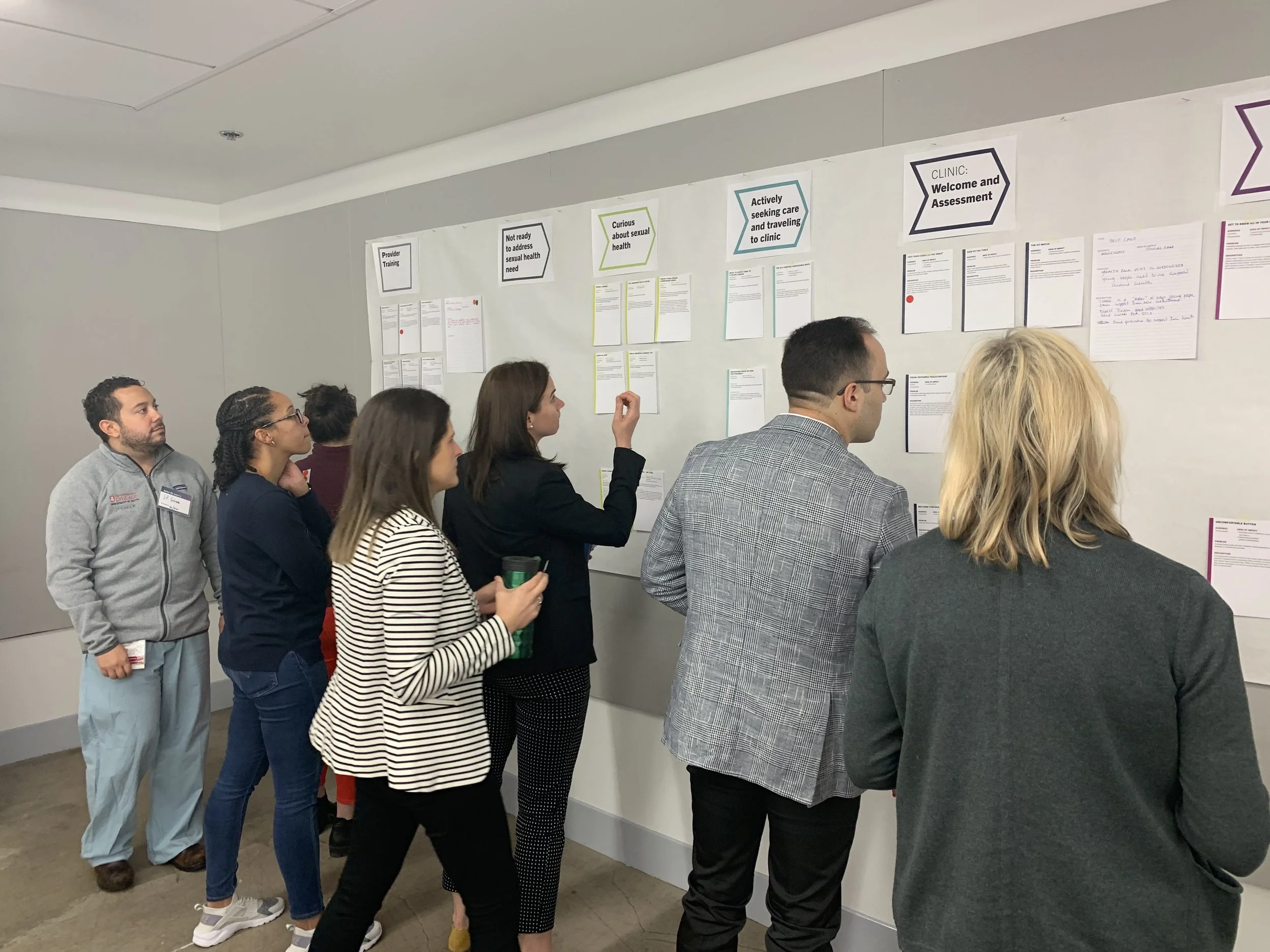
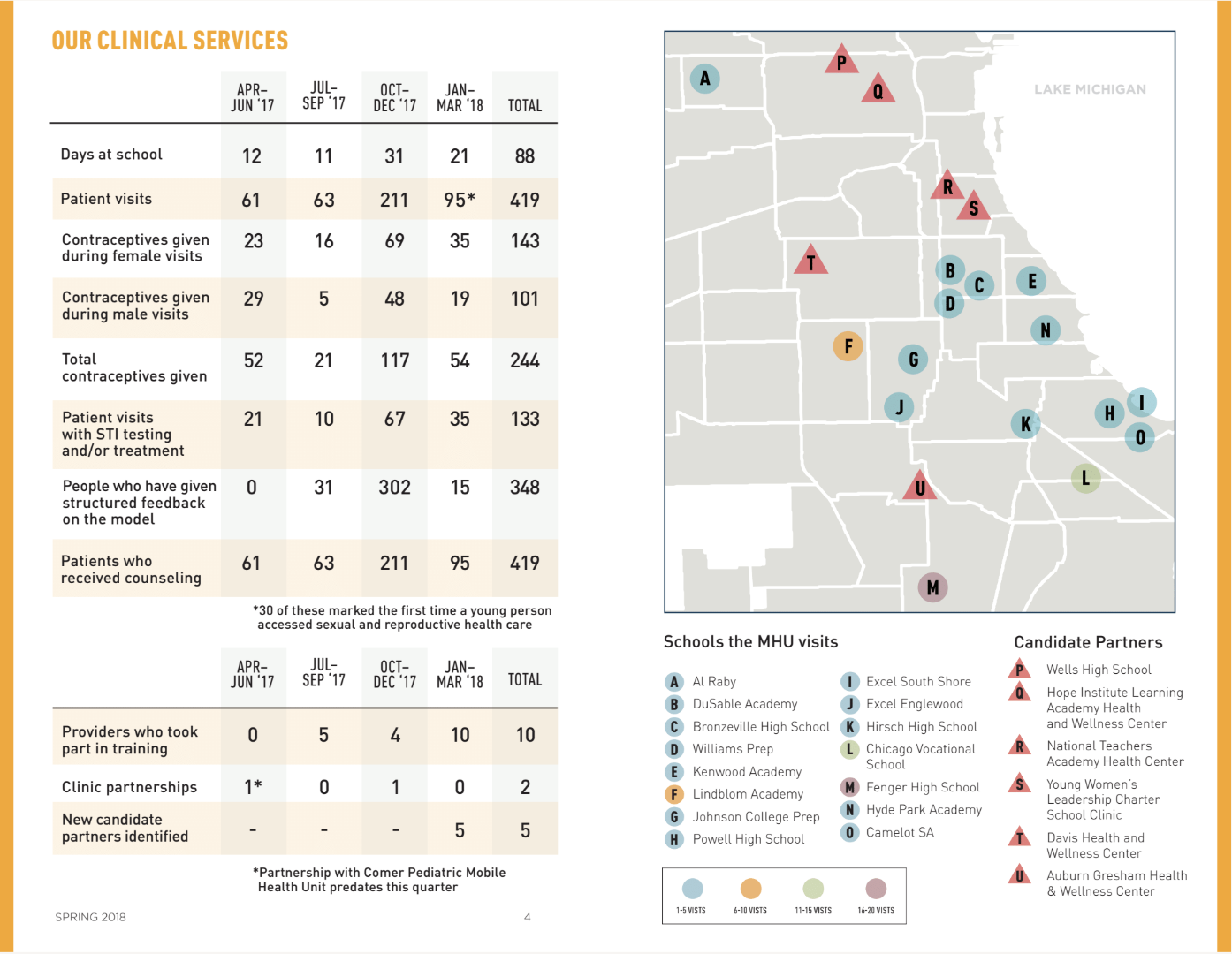
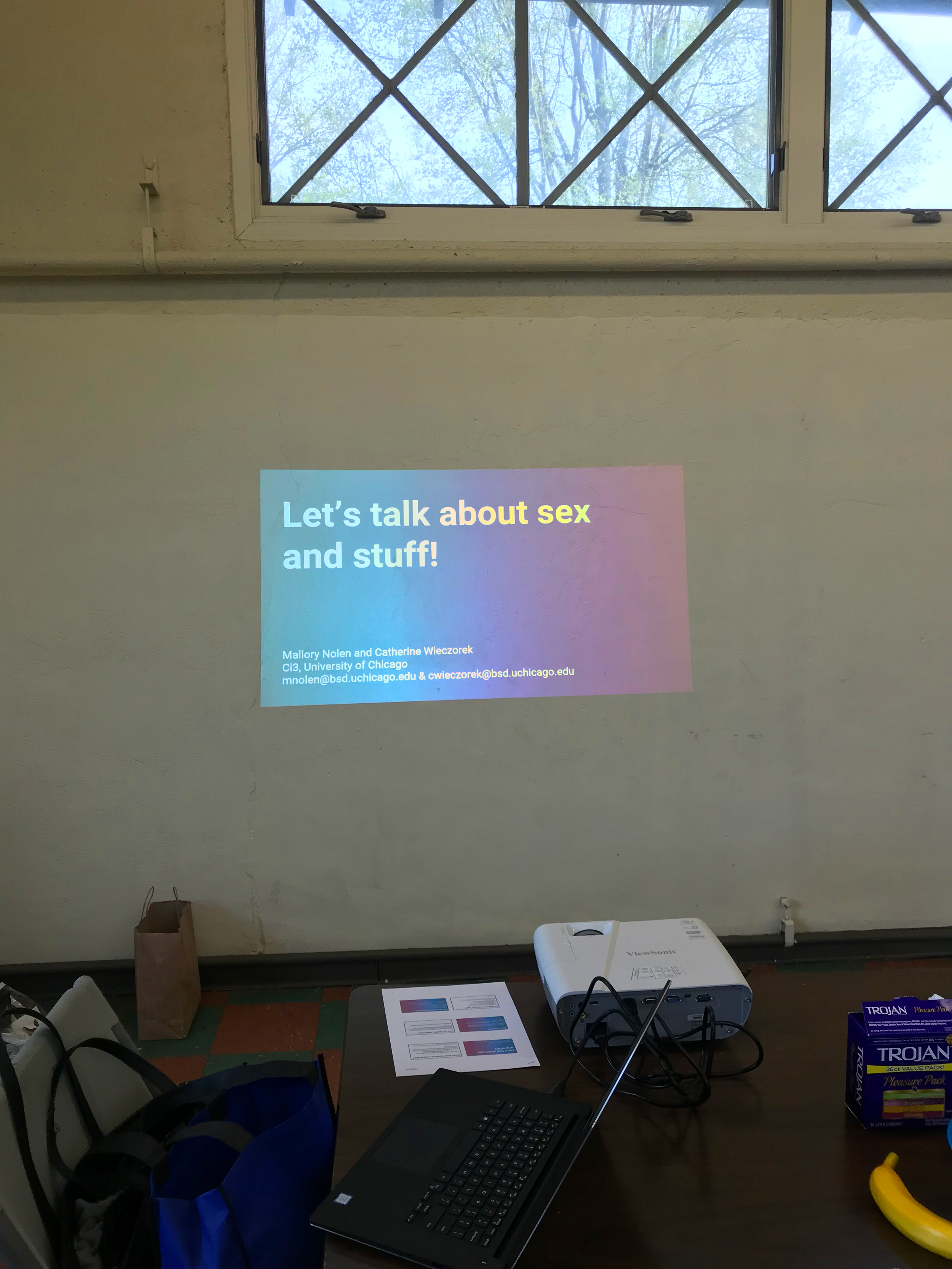
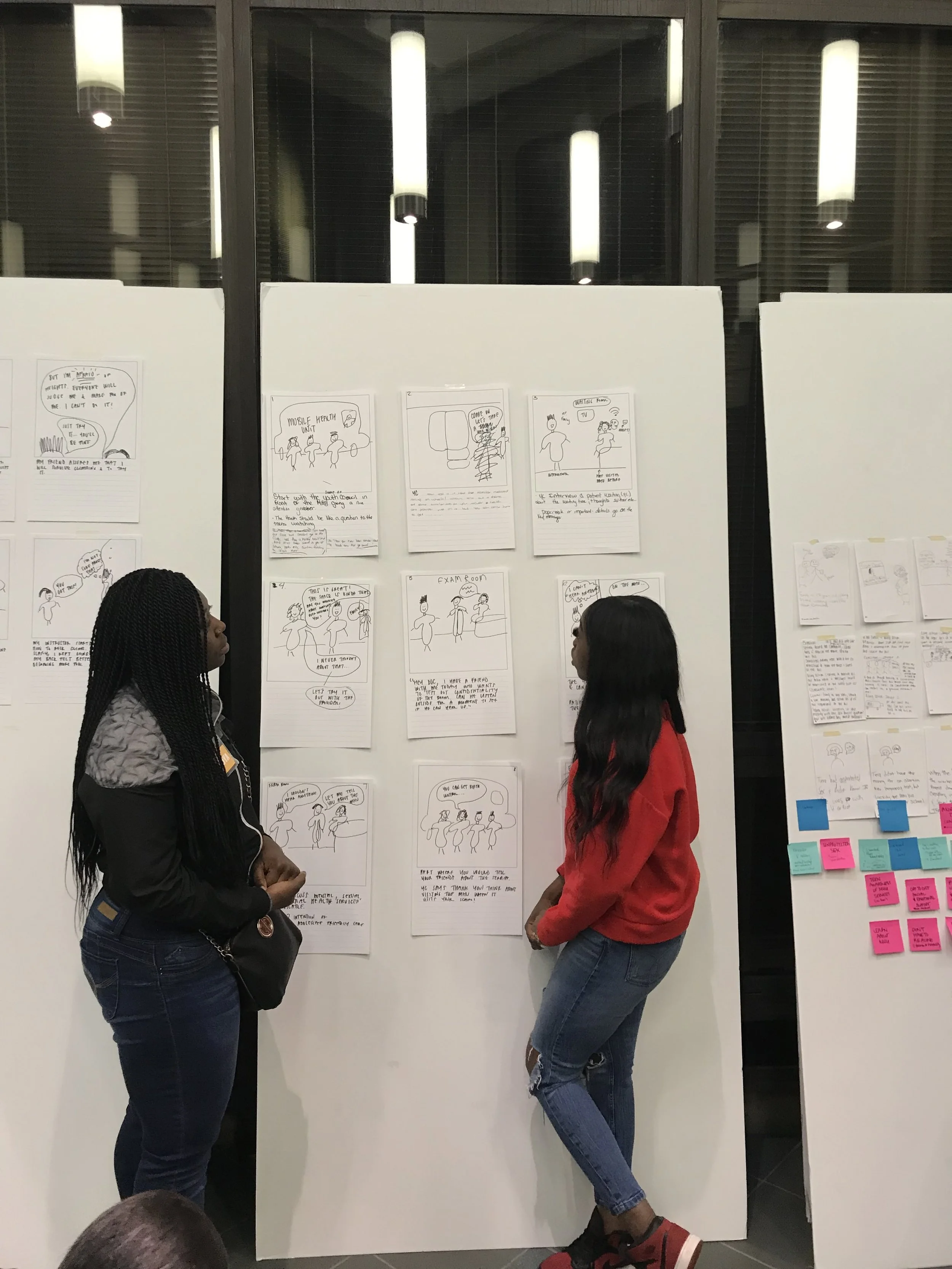
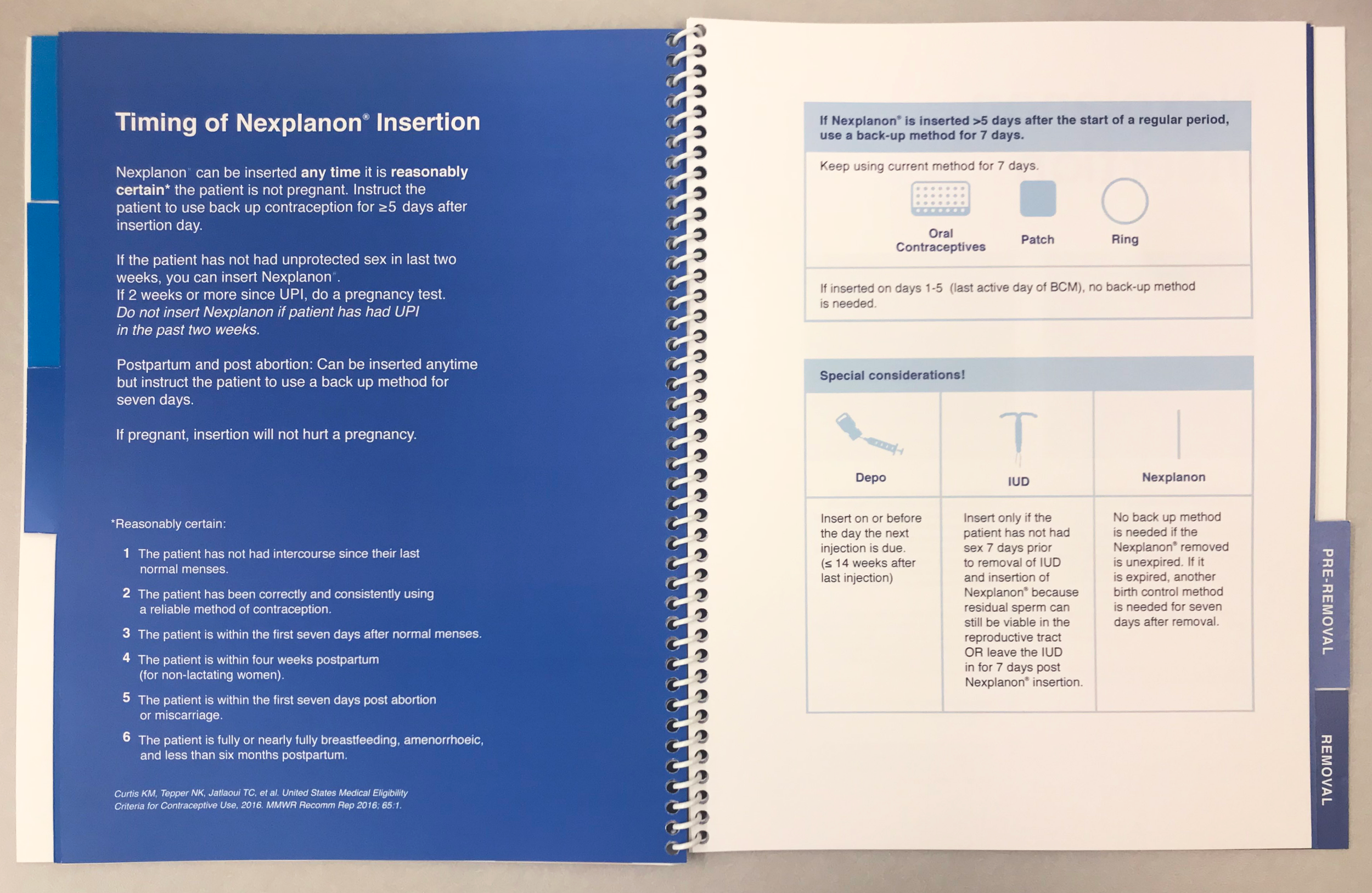
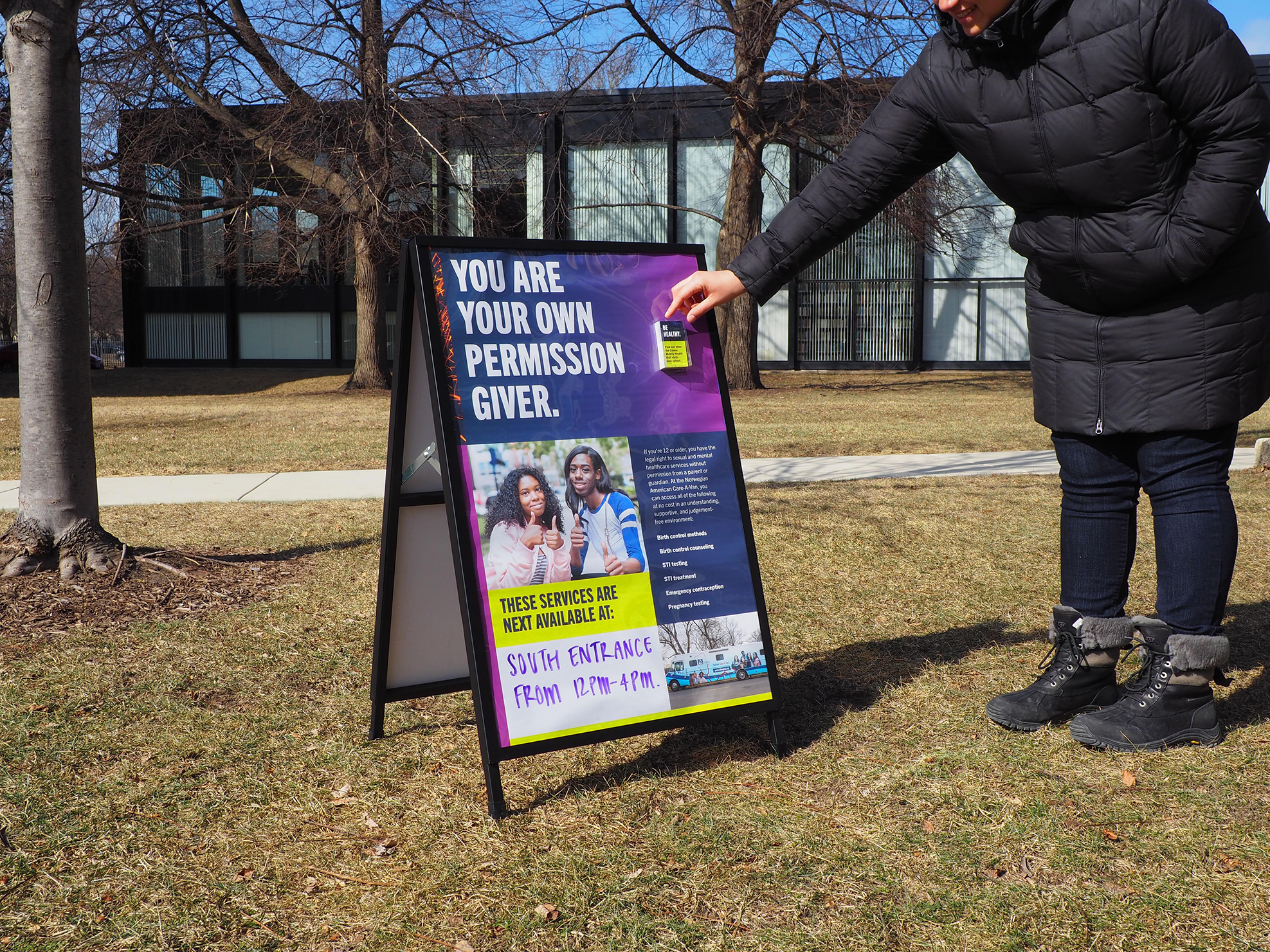
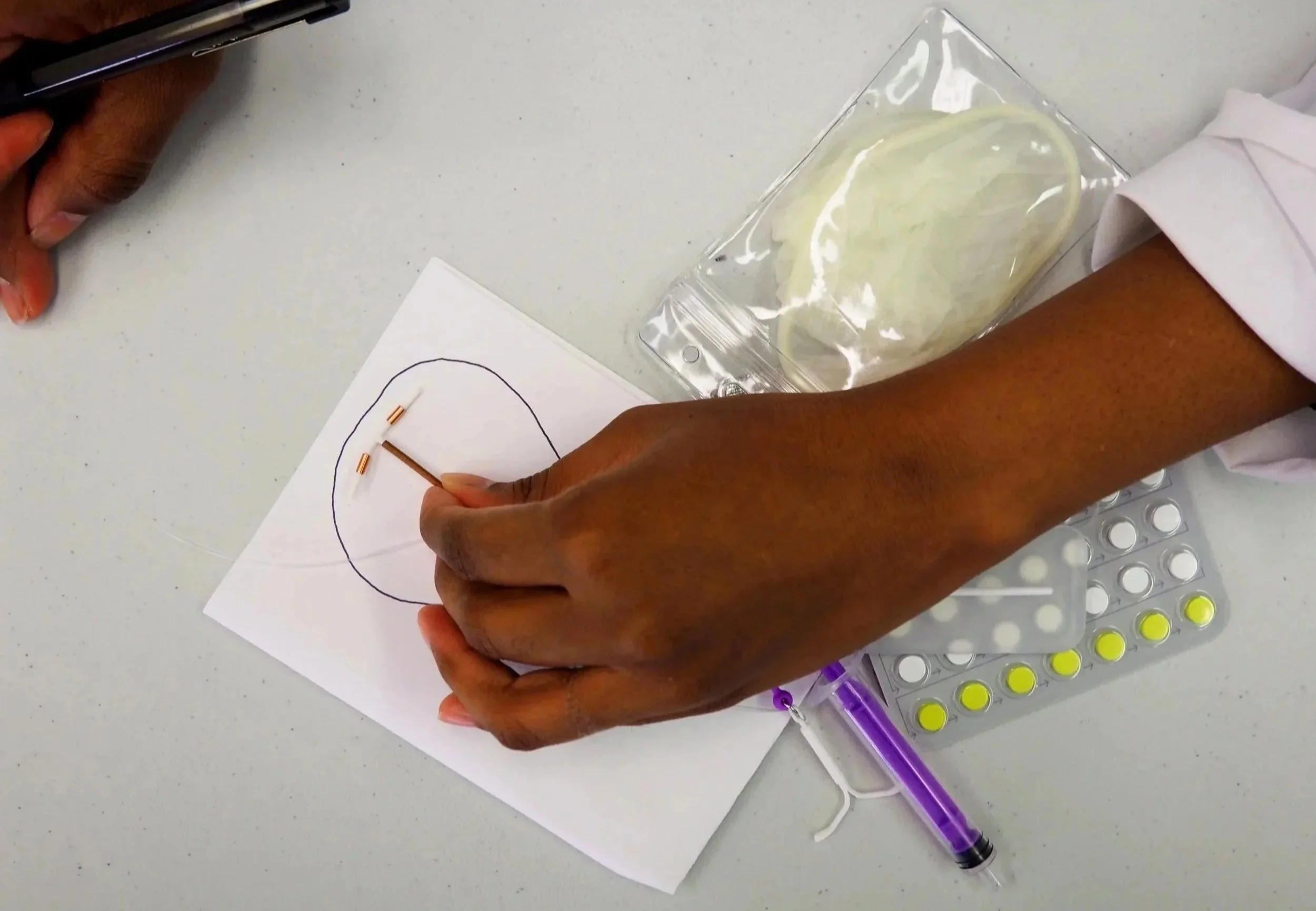
To address these gaps, Ci3's Design Lab at the University of Chicago developed Hello Greenlight, a sexual health service platform designed with and for young people aged 12 to 25. Over 18 months, I did fieldwork across the South and West Sides: riding with the Mobile Health Unit to block parties and school visits, observing clinical consultations, running interviews and focus groups with youth, providers, parents, teachers, and community organizers, and participating in local reproductive-justice organizing. I taught sex ed, co-led a youth council that paired sexual health education with design training, and ran participatory design workshops and mock consultations whose participants became ongoing partners in prototyping. That research fed directly into what we made: workbooks, clinical tools, messaging services, a full brand identity, videos, and public events, produced quickly enough to reach patients and clinicians soon after a need surfaced.
Recent publications revisit this field site through the lens of temporality, asking how time itself distributes access: who waits, who must decide quickly, and whose schedule the system protects. Histories of redlining and medical harm don't stay in the past; they surface in the fifteen-minute appointment, shaping what can be asked and answered there.
2017–2019
Design Research: Melissa Gilliam, MD, MPH (PI), Amanda Geppert, Catherine Wieczorek, Laura Paradis, Michael (MJ) Johnson, Shannon Delaney, Tina Schuh, Mary Foyder Design, Kyle Buzzard (Prota Studios), Colleen Arturi (The Story Shoppe), Adam Geremia
Awards
Notable Strategy & Research Award, Core77 Design Awards 2019
Media
NPR, 2020. Trying to Decide What Birth Control to Use?
Millman, D. (Host). (2021). [Episode featuring Hello Options] (Season 1, Episode 3) [TV series episode]. In America by Design: Innovations. MWC Productions.
Related Publications
Wieczorek, C., Tran, A.-T., Lin, C. K., Forlano, L., DiSalvo, C., & Bardzell, S. (2026). Whose time counts? Temporal arrangements in sociotechnical infrastructures. In Proceedings of the 2026 CHI Conference on Human Factors in Computing Systems (CHI '26). Association for Computing Machinery. https://doi.org/10.1145/3772318.3790780
Wieczorek, C., Lin, C. K., & Bardzell, S. (2025). Making sense of trauma over time: Interweaving feminist temporalities to understand histories. Proceedings of the ACM on Human-Computer Interaction, 9(CSCW2), Article 130. https://doi.org/10.1145/3711028
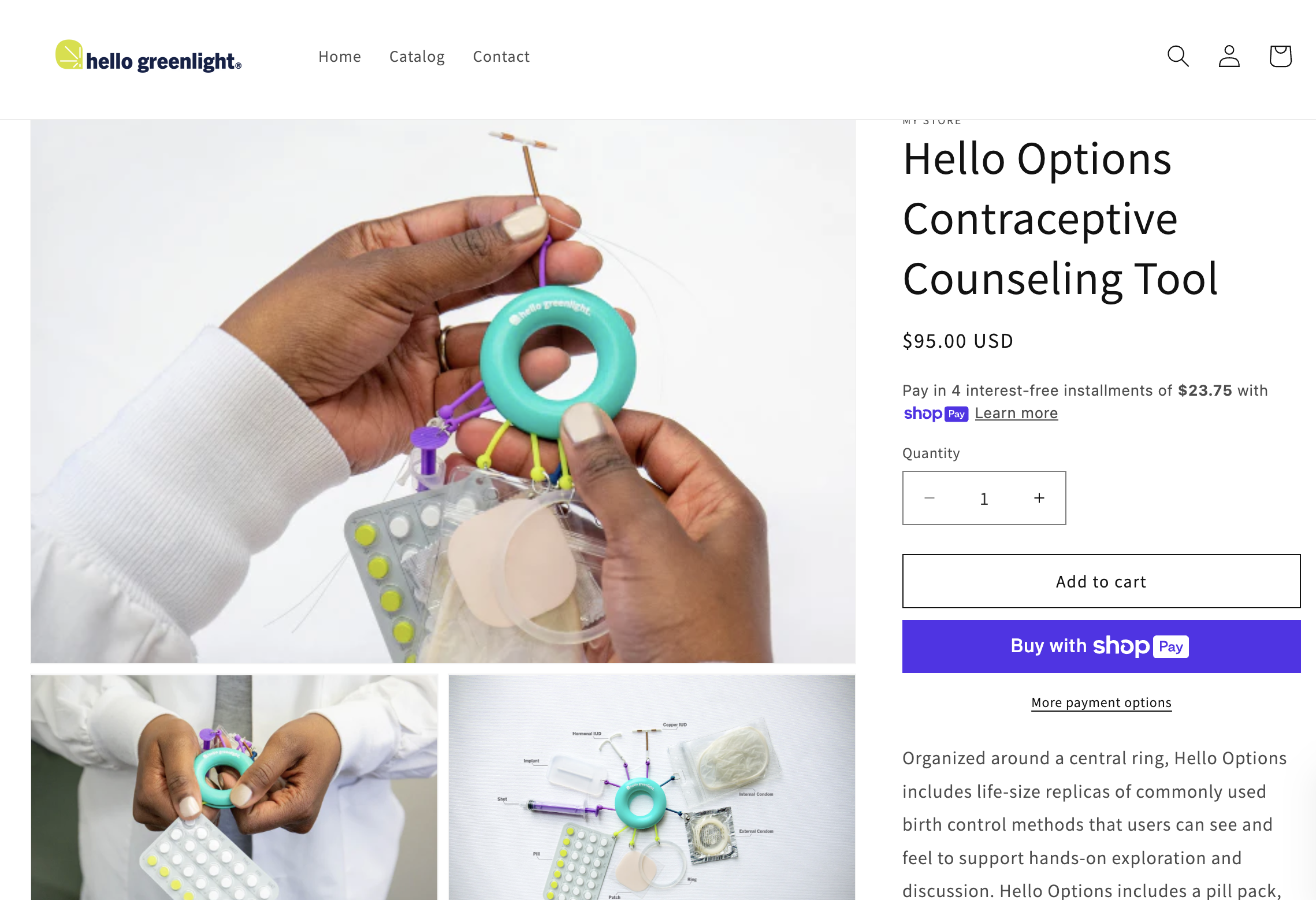
Lee, S. Y., Brodyn, A. L., Koppel, R. S., Tyler, C. P., Geppert, A. A., Truehart, A. I., & Gilliam, M. L. (2021). Provider and patient perspectives on a new tangible decision aid tool to support patient-centered contraceptive counseling with adolescents and young adults. Journal of Pediatric and Adolescent Gynecology, 34(1), 18–25. https://doi.org/10.1016/j.jpag.2020.10.004